
Glossary / v-speeds
VG, best glide speed
VG is the indicated airspeed that produces the greatest forward distance for altitude lost in a power-off glide.
- Last updated
- 2026-11-17
VG is the best glide speed: the indicated airspeed that produces the greatest forward distance for each unit of altitude lost in a power-off glide. It corresponds to the best lift-to-drag ratio of the airframe. Some handbooks publish it as the maximum glide or best lift-to-drag speed.
What it is used for
VG is the reference speed for an engine-out glide. Flying faster than VG trades altitude for speed and shortens the glide. Flying slower increases drag and also shortens it. The published value normally assumes clean configuration, a windmilling or feathered propeller as specified, and a stated weight.
Best glide speed varies with weight. A heavier aircraft glides faster but covers about the same distance for altitude lost. A lighter aircraft achieves its best glide at a lower speed, which is why some POHs publish a table rather than one number.
Typical values
- VG is 60 KIAS in the 1978 Cessna 152 POH.
- The maximum glide speed is 68 KIAS at 2,550 pounds in the Cessna 172S Skyhawk SP POH.
Why it matters
In a forced landing, the published glide speed is what converts altitude into reach. A pilot who slows to stretch the glide, or who dives for speed, shrinks the footprint of usable landing sites.
The published figure is a starting point, not a guarantee. Wind, configuration, propeller state, and aircraft condition all change the actual glide. The applicable POH or AFM provides the correct value for the aircraft and loading.
Related terms and tools
- VS, stalling speed
- VX, best angle of climb speed
- Indicated airspeed
- V-speed reference
- FAA Airplane Flying Handbook
Aircraft database
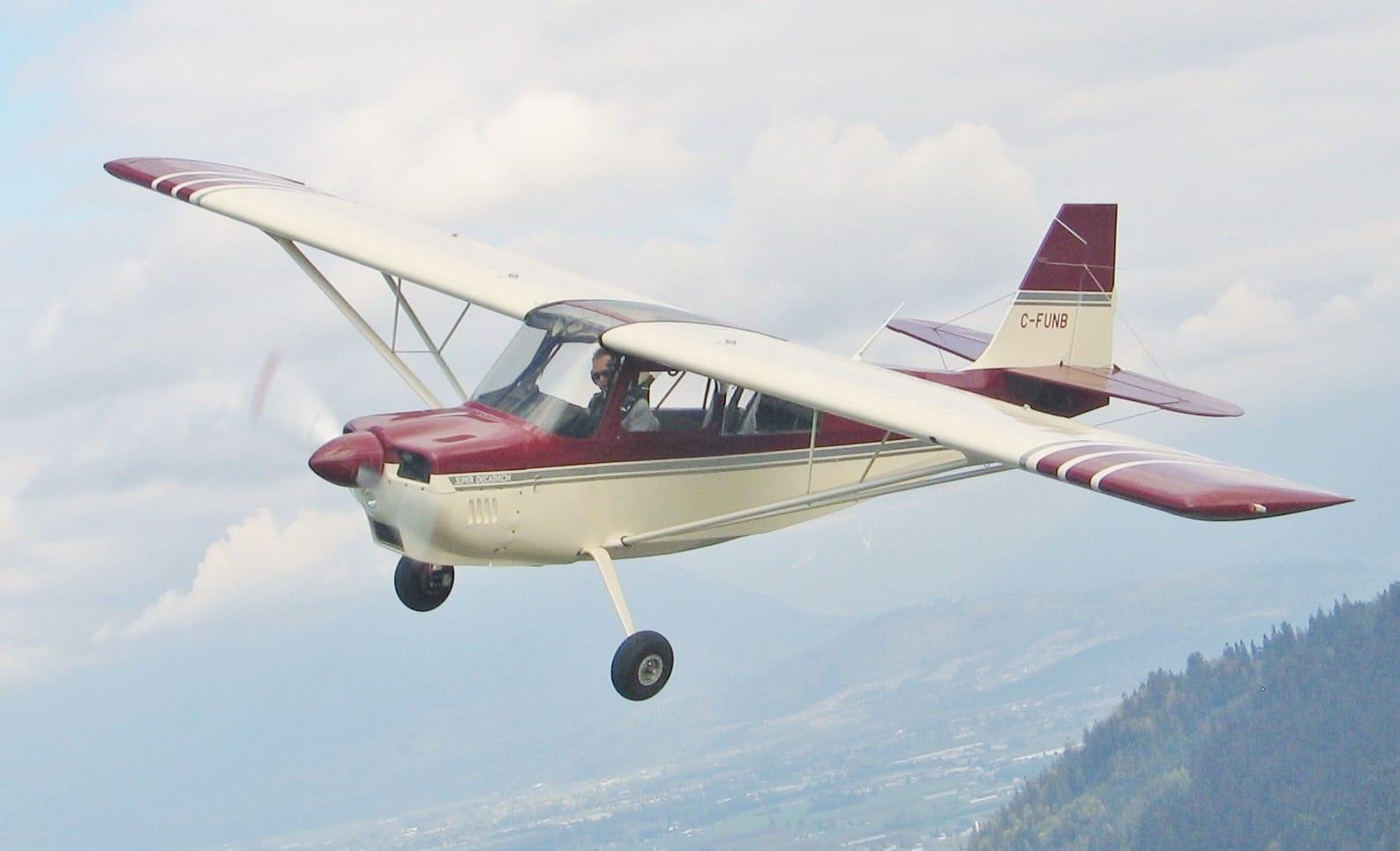
american-champion
American Champion 8KCAB Super Decathlon
American Champion 8KCAB Super Decathlon specifications, V-speeds, useful load, performance context, and variant notes for the current production basis.

beechcraft
Beechcraft 76 Duchess
Beechcraft 76 Duchess specifications, V-speeds, useful load and performance data, with related multi-engine training notes and tools.
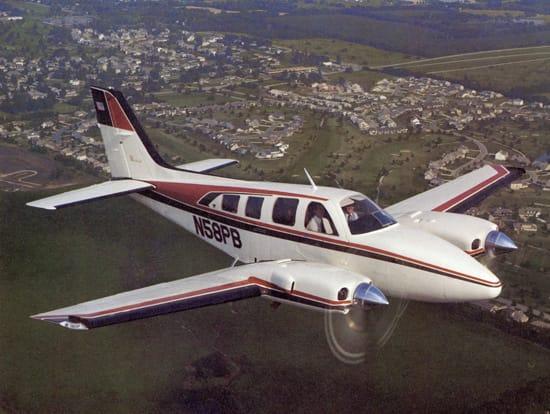
beechcraft
Beechcraft Baron 58
Beechcraft Baron 58 specifications, V-speeds, useful load, performance context, and variant notes for the IO-520-C handbook basis.
Directory resources
Directory
FBO directory at selected US airports
Sourced FBO listings at selected airports, with questions to confirm directly with each operator.
Directory
A&P and IA aircraft mechanic directory
How to compare aircraft mechanic and repair-station listings, confirm credentials, and evaluate maintenance services.