
Reference disclaimer
For training and reference purposes only. Figures describe the stated variant under standard conditions. Verify against the applicable POH/AFM and current aircraft records.
Overview
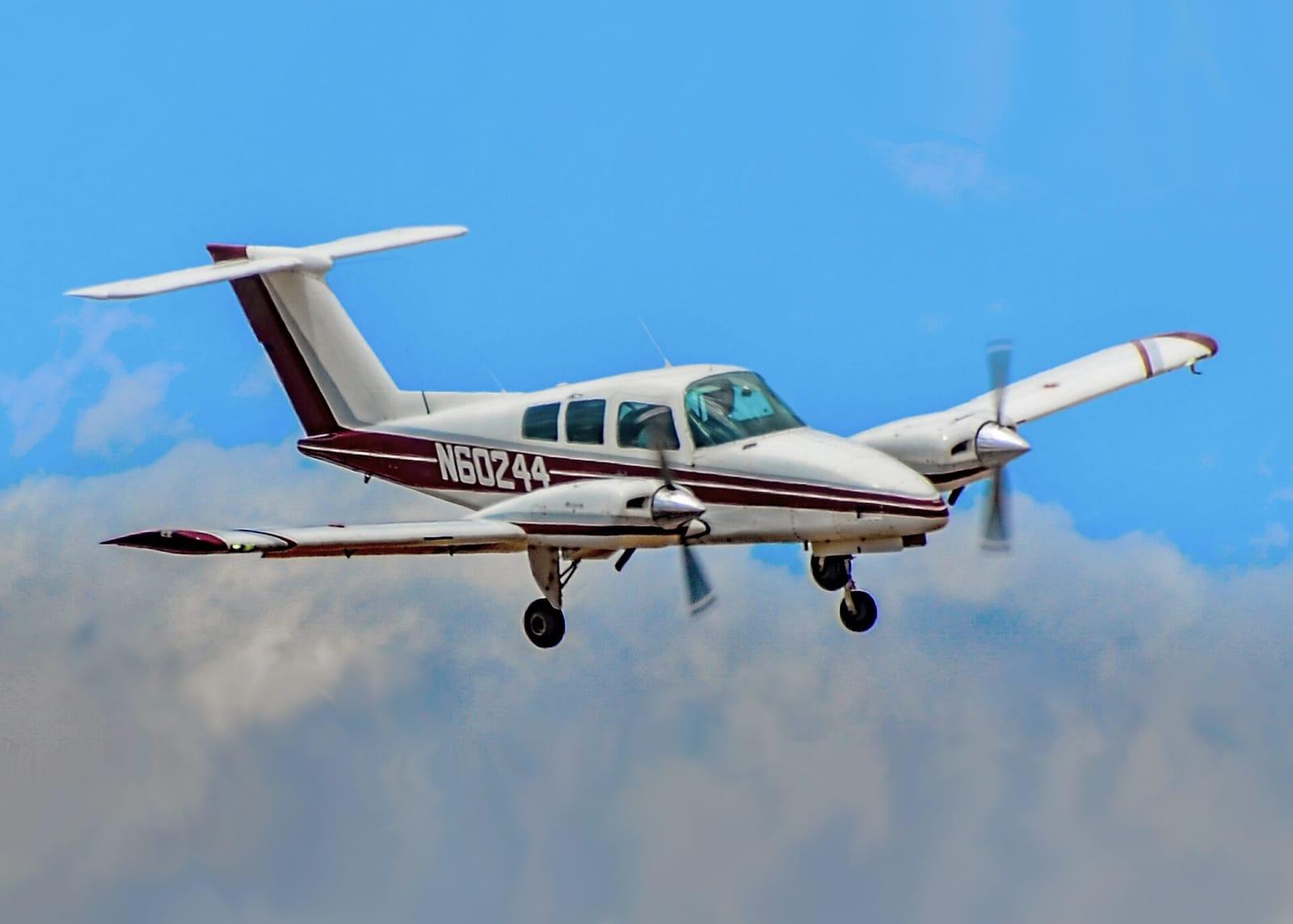
The Beechcraft 76 Duchess is a four-seat, low-wing, twin-engine trainer built from 1978 to 1983. Beech designed it from the outset for multi-engine instruction: a T-tail, counter-rotating propellers that remove the critical engine from the equation, and systems simple enough for a first twin rating.
Counter-rotating propellers deserve the emphasis. Because the left engine turns opposite to convention, neither engine is the critical one, so single-engine handling demonstrations do not depend on which throttle is pulled. This record covers the Model 76 Duchess as the only production variant; individual airframes differ in avionics and installed equipment.
Video: Beechcraft Duchess takeoff, touch and go, and landing, via YouTube.
Performance
Published figures list cruise near 160 kt at a high cruise power setting and a best-range figure around 737 nm on 100 gal usable fuel. Sea-level climb with both engines is quoted around 1,300 fpm, while single-engine climb at sea level is about 220 fpm. That gap is the core teaching point of the type: losing an engine in a light twin costs the majority of climb capability, not half of it.
The 19,650 ft service ceiling contrasts with a single-engine service ceiling near 6,170 ft, and the published field numbers show the same asymmetry: a 1,000 ft takeoff ground roll against an accelerate-stop distance around 2,400 ft. All are book values under standard conditions; density altitude and loading move them materially. The density altitude calculator is a useful prompt before comparing a planned flight against the AFM charts.
V-speeds
The Duchess limitation schedule lists VNE 194 KIAS, VNO 154 KIAS, and VA 132 KIAS. Flaps are limited to 110 KIAS at the full setting, and the gear operates at 140 KIAS extension and 113 KIAS retraction.
The multi-engine speeds carry the workload: VMC 65 KIAS is the minimum control speed with an engine inoperative, VSSE 71 KIAS is the minimum speed for intentionally rendering an engine inoperative in training, and the 85 KIAS blue line marks single-engine best rate of climb. The VMC and VA glossary entries define the terms; the AFM governs the procedures.
Weight and balance
The published useful load of 1,470 lb applies against a standard empty weight of 2,446 lb, but the Duchess has a second limit that catches attention: a maximum zero fuel weight of 3,500 lb. With 100 gal usable weighing 600 lb, the remaining payload for four seats and the 200 lb baggage compartment must also respect that zero-fuel cap.
The POH also requires a minimum of 20 gal per tank for takeoff, a figure that belongs in any partial-fuel loading exercise. Work the actual aircraft's empty weight, arms, and station limits; the weight and balance calculator is a study aid only.
Training notes
The Duchess was built as a trainer and most surviving examples did multi-engine school work, including large academy operations abroad. For a first twin, students get Hartzell constant-speed, full-feathering propellers, retractable gear, counter-rotating engines, and feathering practice at a lower acquisition cost than the Baron. Single-engine work is honest rather than dramatic: the airplane teaches asymmetric thrust management without a critical-engine trap. Checklists, feathering procedures, and engine-out minimums come from the assigned aircraft's AFM.
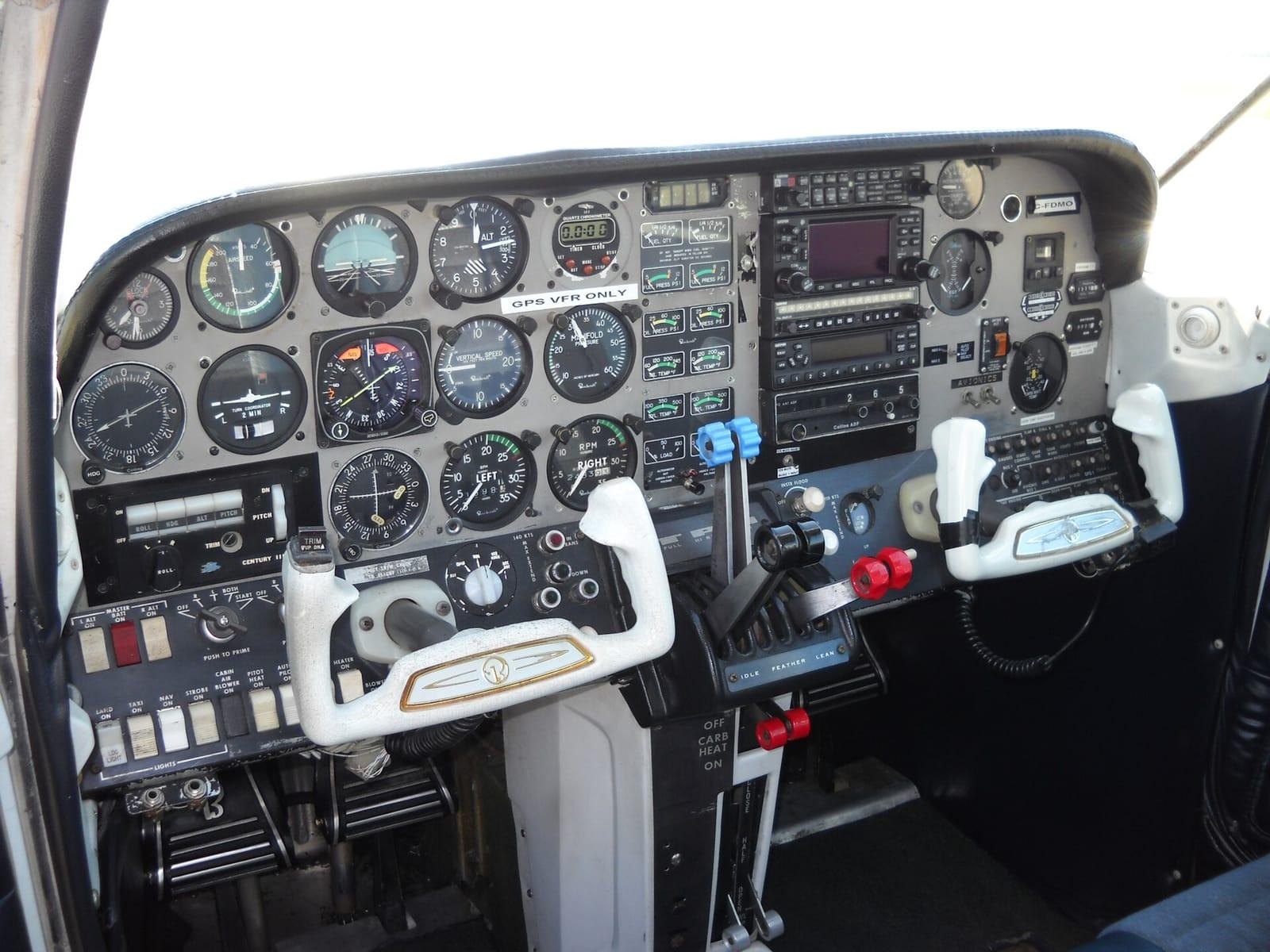
The Beechcraft 76 Duchess cockpit and instrument panel. Photo: Ahunt, Public domain, via Wikimedia Commons.
Variants
Every Duchess is a Model 76; there are no letter-model variants. Differences between airframes are avionics, equipment, and engine time, which affect empty weight and the applicable supplements rather than the basic numbers.
Sources
Structured values come from the Beech Duchess 76 Pilot's Operating Handbook and FAA Approved Airplane Flight Manual, with model context from FAA Type Certificate Data Sheet A29CE. Confirm the applicable revision, serial range, and aircraft records before using any figure.
Related aircraft
diamond
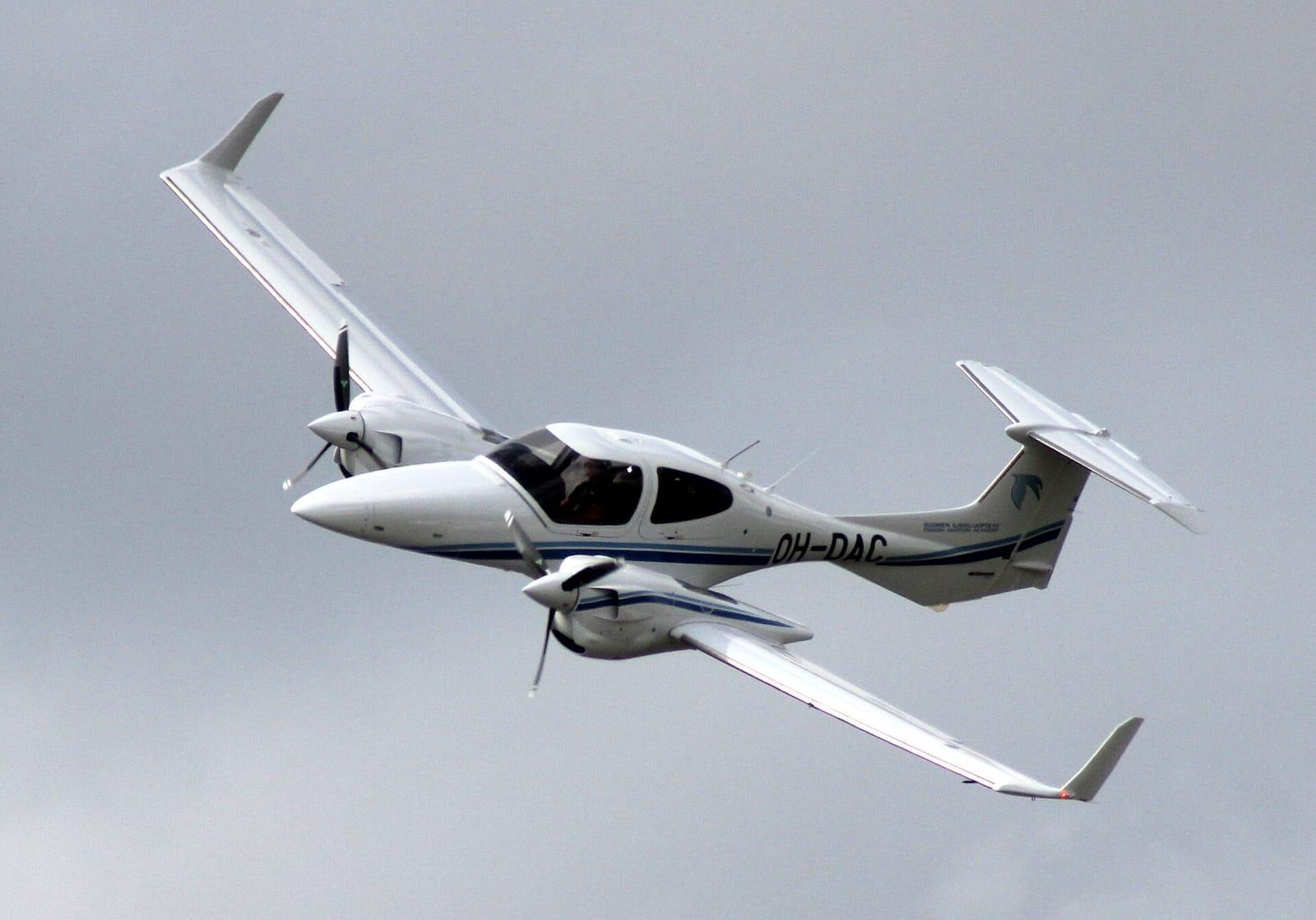
Diamond DA42 NG
Diamond DA42 NG specifications, V-speeds, useful load, performance context, and variant notes for the twin-engine diesel model basis.
diamond
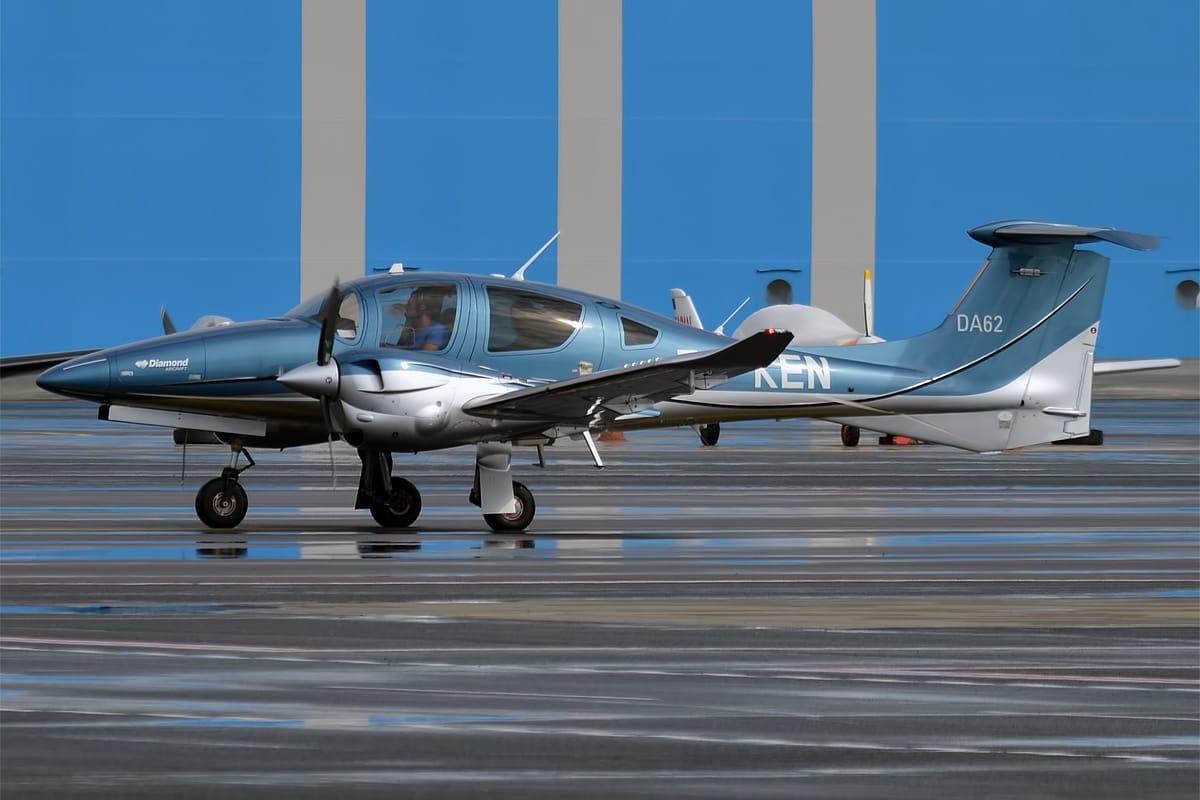
Diamond DA62
Diamond DA62 specifications, V-speeds, useful load and performance data, with related weight and balance and fuel tools.
piper
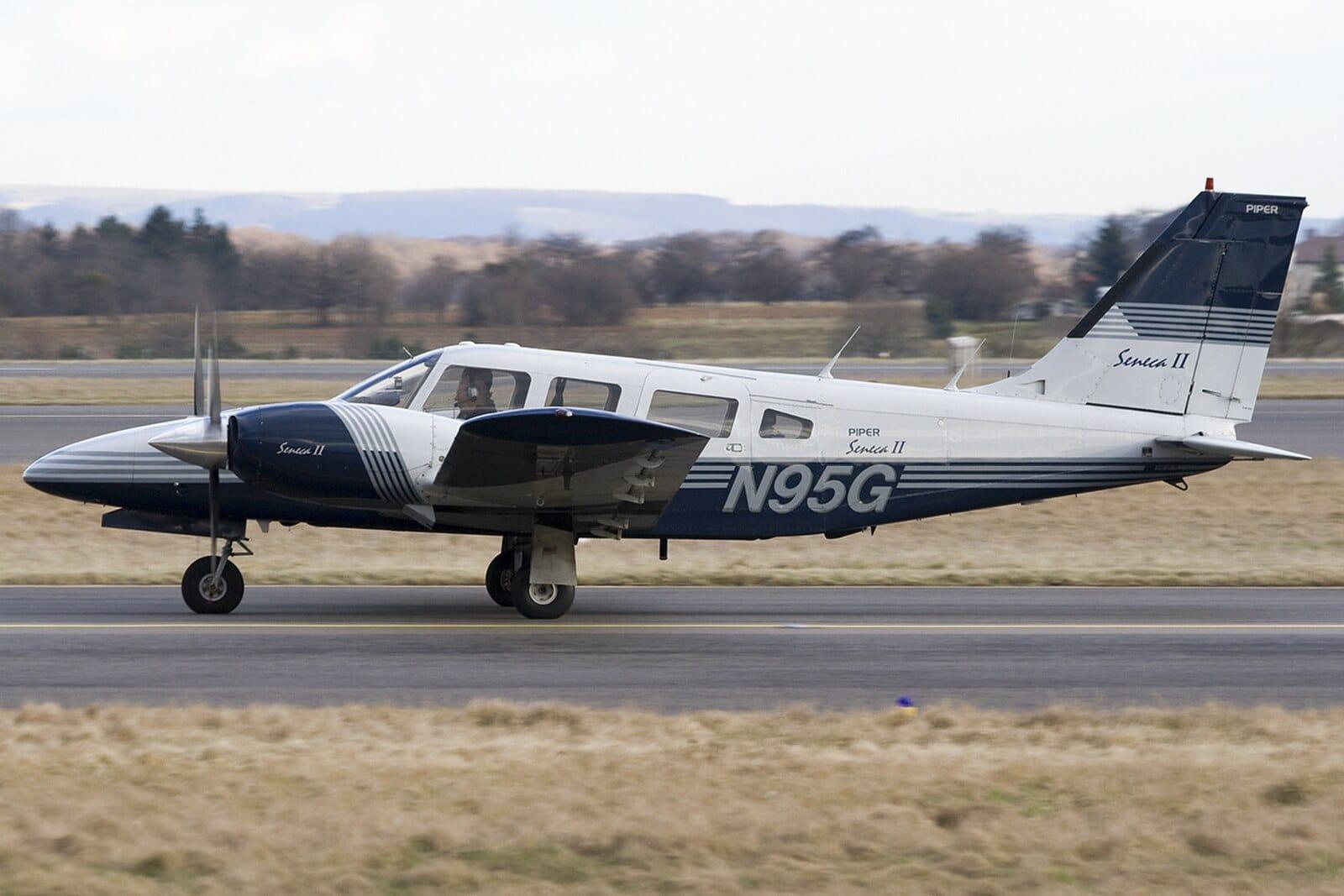
Piper PA-34-200T Seneca II
Piper PA-34-200T Seneca II specifications, V-speeds, useful load and performance data, with related multi-engine notes and tools.
Flight planning
Flight planning tools
Fuel burn calculator
Estimate trip fuel and entered reserve fuel from planned duration and burn rate.
Open toolWeight and balance calculator
Calculate loaded weight, moment, and center of gravity from station loading data.
Open toolFuel endurance calculator
Estimate time aloft from usable fuel, burn rate, and a planned reserve.
Open toolDirectory resources
Directory
FBO directory at selected US airports
Sourced FBO listings at selected airports, with questions to confirm directly with each operator.
Directory
A&P and IA aircraft mechanic directory
How to compare aircraft mechanic and repair-station listings, confirm credentials, and evaluate maintenance services.