
Glossary / v-speeds
VFE, maximum flap extended speed
VFE is the maximum indicated airspeed at which the aircraft may be flown with the flaps extended to a specified position.
- Last updated
- 2026-11-17
VFE is the maximum flap extended speed: the highest indicated airspeed at which an aircraft may be flown with the flaps in a specified extended position. It is marked by the top of the white arc on the airspeed indicator. Some aircraft publish more than one VFE for different flap settings.
What it is used for
VFE is a structural limitation. Extending flaps, or flying with flaps extended, above VFE can overload the flap structure, hinges, and actuating mechanism. The limit applies to flap position, not to a single number for every setting.
Many aircraft publish a higher VFE for a partial flap setting than for full flaps. In the Cessna 172S, for example, the POH permits a higher speed with flaps at 10 degrees than at 20 or 30 degrees. The applicable limit depends on the exact flap position selected.
Typical values
- VFE is 85 KIAS in the 1978 Cessna 152 POH.
- VFE is 110 KIAS with flaps at 10 degrees, and 85 KIAS with flaps beyond 10 degrees, in the Cessna 172S POH.
- VFE is 111 KIAS in the Piper PA-44-180 Seminole POH.
Why it matters
Exceeding VFE is most likely during approach sequencing, when a pilot carries extra speed and selects flaps early. A go-around or a speed excursion can push the aircraft past the limit before the flaps are retracted.
Check the flap setting against the published limit, not just the airspeed. The applicable POH or AFM controls, and this entry provides terminology only.
Related terms and tools
- VS0, landing-configuration stall speed
- VNO, maximum structural cruising speed
- Indicated airspeed
- V-speed reference
- FAA Pilot's Handbook of Aeronautical Knowledge
Aircraft database
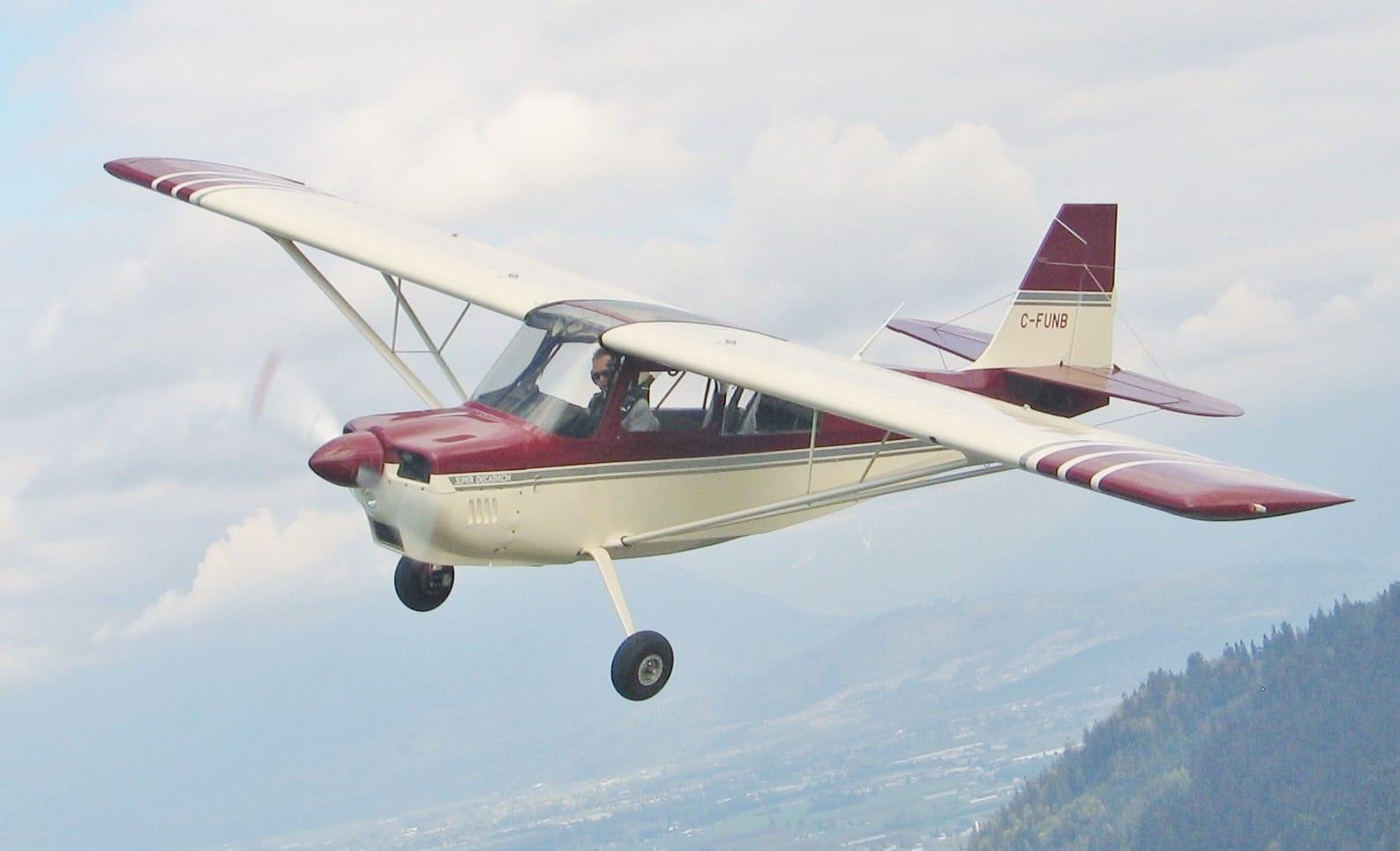
american-champion
American Champion 8KCAB Super Decathlon
American Champion 8KCAB Super Decathlon specifications, V-speeds, useful load, performance context, and variant notes for the current production basis.

beechcraft
Beechcraft 76 Duchess
Beechcraft 76 Duchess specifications, V-speeds, useful load and performance data, with related multi-engine training notes and tools.
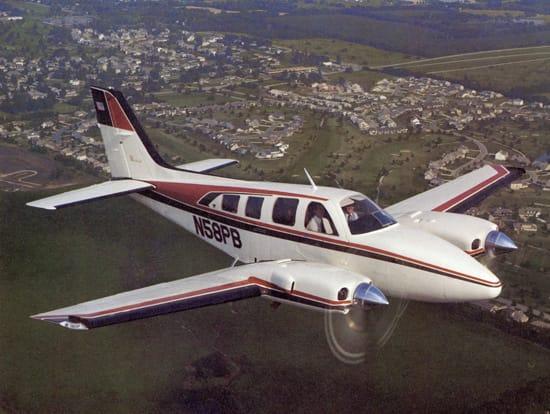
beechcraft
Beechcraft Baron 58
Beechcraft Baron 58 specifications, V-speeds, useful load, performance context, and variant notes for the IO-520-C handbook basis.
Directory resources
Directory
FBO directory at selected US airports
Sourced FBO listings at selected airports, with questions to confirm directly with each operator.
Directory
A&P and IA aircraft mechanic directory
How to compare aircraft mechanic and repair-station listings, confirm credentials, and evaluate maintenance services.