
Glossary / navigation
Course
A course is the intended path of an aircraft over the ground, measured as an angle from a north reference. It differs from heading and track.
- Last updated
- 2026-11-17
Course is the intended path of an aircraft over the ground, expressed as an angle from a stated north reference. A course is what the pilot plans to fly. It differs from heading, which is where the nose points, and from track, which is the path actually flown over the ground.
How it works
On a chart, a course line drawn between two points measures an angle against the north reference in use: true course against true north, or magnetic course against magnetic north. Magnetic variation converts between the two.
Wind is what separates course from heading. With no wind, heading, course, and track coincide. With a crosswind, the pilot points the nose into the wind by a wind correction angle so the actual track matches the planned course. That correction, plus the resulting groundspeed, is the wind triangle problem solved in flight planning.
Example
A direct route measures a true course of 090°, and local variation is 10° west, giving a magnetic course of 100°. With a north wind, the pilot computes a wind correction angle of 7° left and flies a heading of 093° magnetic. The nose points at 093° while the aircraft tracks 100° along the planned course line.
Why it matters
Confusing course with heading is a classic dead reckoning error: fly the course as a heading in a crosswind and the aircraft drifts off the planned line. Knowing which reference the number represents, true or magnetic, intended or actual, keeps planning math and compass headings consistent.
The wind triangle calculator works out the heading and groundspeed for a given course and wind.
Related terms and tools
Aircraft database
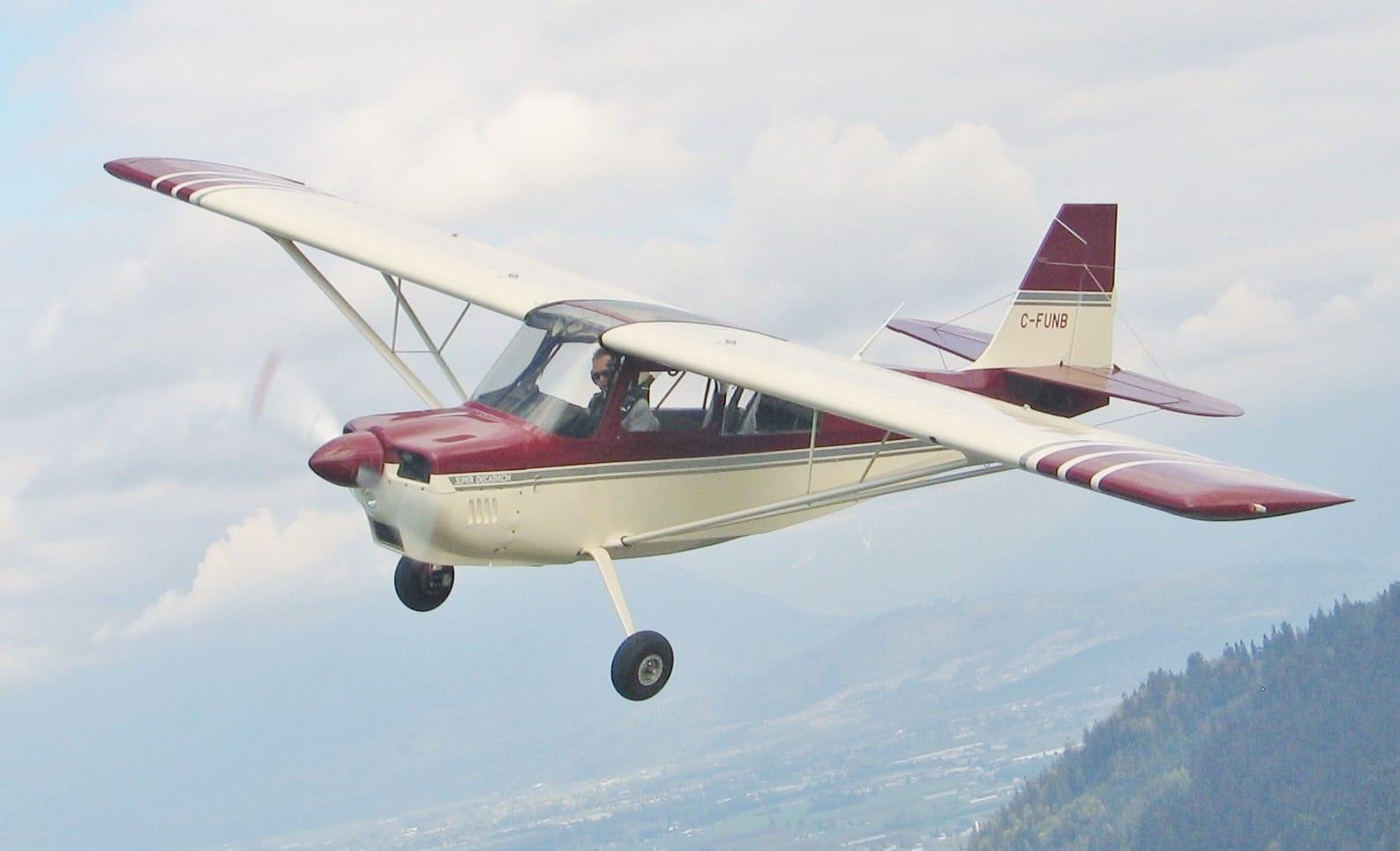
american-champion
American Champion 8KCAB Super Decathlon
American Champion 8KCAB Super Decathlon specifications, V-speeds, useful load, performance context, and variant notes for the current production basis.

beechcraft
Beechcraft 76 Duchess
Beechcraft 76 Duchess specifications, V-speeds, useful load and performance data, with related multi-engine training notes and tools.
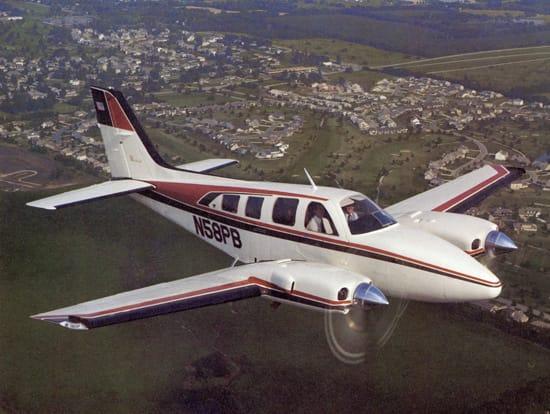
beechcraft
Beechcraft Baron 58
Beechcraft Baron 58 specifications, V-speeds, useful load, performance context, and variant notes for the IO-520-C handbook basis.
Directory resources
Directory
FBO directory at selected US airports
Sourced FBO listings at selected airports, with questions to confirm directly with each operator.
Directory
A&P and IA aircraft mechanic directory
How to compare aircraft mechanic and repair-station listings, confirm credentials, and evaluate maintenance services.