
Reference disclaimer
For training and reference purposes only. Figures describe the stated variant under standard conditions. Verify against the applicable POH/AFM and current aircraft records.
Overview
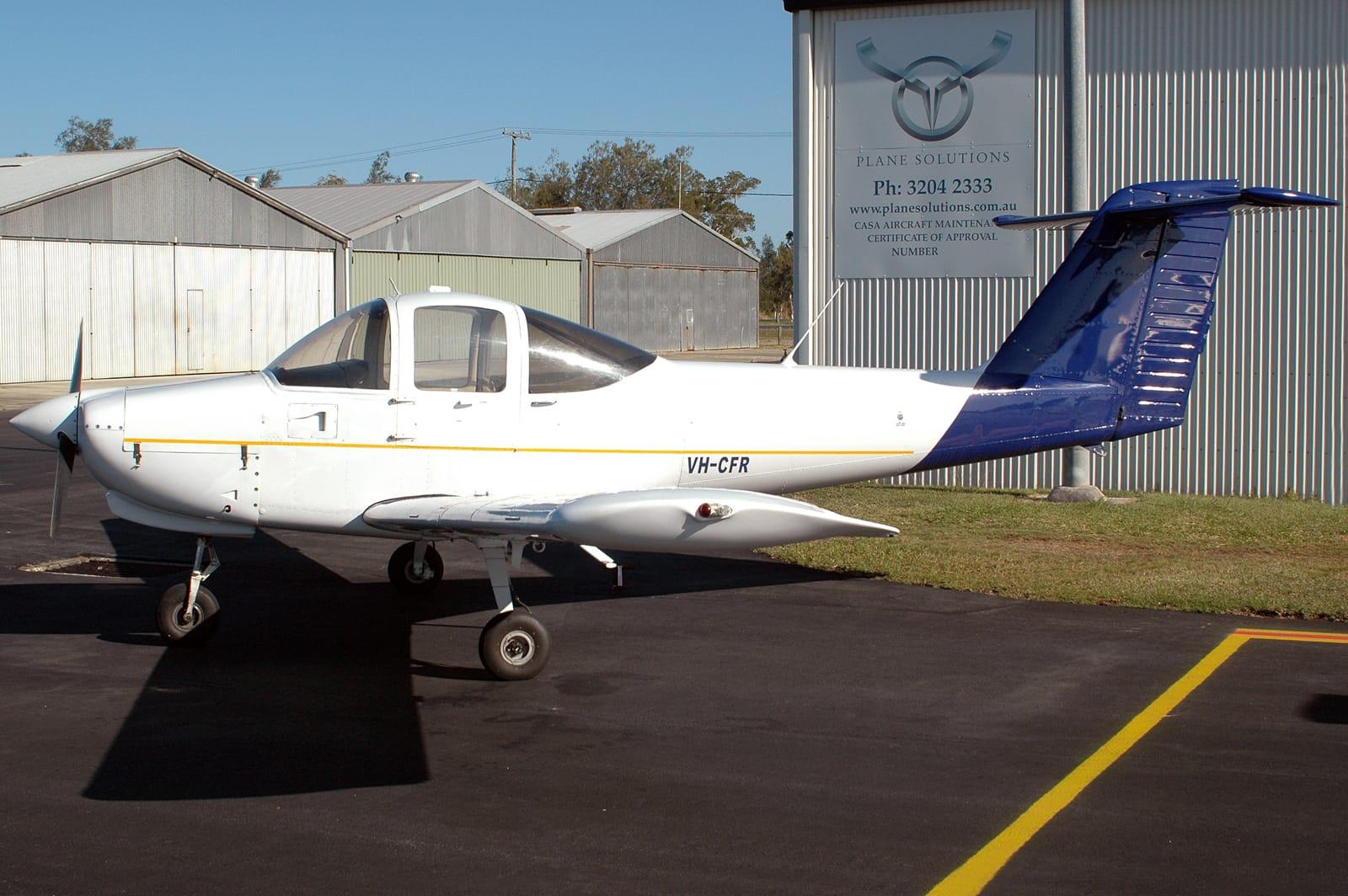
The Piper PA-38-112 Tomahawk is a two-seat, low-wing, fixed-gear trainer that Piper built from 1978 to 1982 specifically for the flight training market. Its 112 hp Lycoming O-235-L2C, T-tail, and NASA GA(W)-1 Whitcomb airfoil were chosen to give students a distinctly different feel from the Cessna 150 and 152 it competed against.
The T-tail and the airfoil are not cosmetic. Piper shaped the wing for clear stall characteristics, and the Tomahawk is deliberately less self-recovering than a Cessna trainer: stall and spin recovery requires positive control input, which is exactly what the flight schools that requested the design wanted to teach. This record covers the PA-38-112; the Tomahawk II built from 1981 onward carries cabin and equipment changes and its own documentation.
Video: Piper Tomahawk flight review, via YouTube.
Performance
The published cruise figure is about 100 kt at 65 percent power near 10,000 ft, with a best-range figure around 468 nm on 30 gal usable fuel with reserve. Those are book values for a clean airframe and lean mixture. Pilots who have flown the type report real-world block speeds closer to 90 kt, and the modest climb performance makes a high cruise altitude slow to reach in summer conditions.
The takeoff ground roll is published at about 1,460 ft, longer than a comparable Cessna 152's, and the 13,000 ft service ceiling is mostly theoretical for training use; the airplane spends its life below 5,000 ft in the pattern and practice area. Cross-check any planned leg against the POH range chart for the actual power setting, and treat the density altitude calculator result as a prompt to recheck takeoff distance on a warm day.
V-speeds
The limitation schedule lists VNE 138 KIAS, VNO 110 KIAS, and VFE 89 KIAS. Maneuvering speed is weight-dependent: VA 103 KIAS at the 1,670 lb maximum, falling to 90 KIAS at 1,277 lb.
Takeoff rotation is published at VR 53 KIAS, with VX 61 KIAS and VY 70 KIAS for obstacle and enroute climbs. The published stall figures are VS1 52 KIAS clean and VSO 49 KIAS in the landing configuration, and the demonstrated crosswind limit is 15 kt. The VA, VX, and VY glossary entries define the terms; the crosswind calculator compares a wind against the demonstrated value.
Weight and balance
With a 542 lb useful load, the Tomahawk's loading math is unusually tight even for a two-seater. Full fuel of 30 gal usable weighs about 180 lb, leaving roughly 360 lb for two occupants and baggage. Two 200 lb adults are already near the limit before the 100 lb baggage allowance enters the picture, which is why many school Tomahawks fly with fuel below the tabs on local flights.
The utility category approval includes intentional spins, with entry and exit weights and control procedures defined in the POH. The weight and balance calculator is a study aid; the aircraft's current weight and balance record and the applicable POH govern the actual flight.
Training notes
The Tomahawk was built to instructor requests for an airplane that would not rescue an inattentive student. Controls are heavier than a comparable Cessna, stall recovery takes deliberate input, and the T-tail changes elevator authority at low speed. That firmness is the point: pilots who learn on the PA-38 describe a clearer transition to heavier low-wing types afterward. The type also acquired the unflattering nickname "Traumahawk" in the market, a reputation tied more to modest power and early serviceability complaints than to handling.
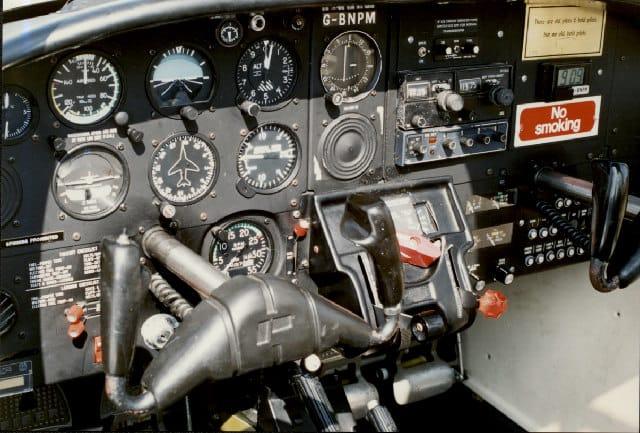
The Piper PA-38-112 Tomahawk cockpit and instrument panel. Photo: Martin Addison, CC BY-SA 2.0, via Wikimedia Commons.
Variants
All Tomahawks are PA-38-112; the Tomahawk II from 1981 is an equipment and refinement update rather than a new model number. Early and late airframes differ enough in cabin equipment and details that the POH for the serial range remains the reference.
Sources
Structured values come from the Piper PA-38-112 Tomahawk Pilot's Operating Handbook, with model context from FAA Type Certificate Data Sheet A18SO. Confirm the applicable revision, serial range, and aircraft records before using any figure.
Related aircraft
american-champion
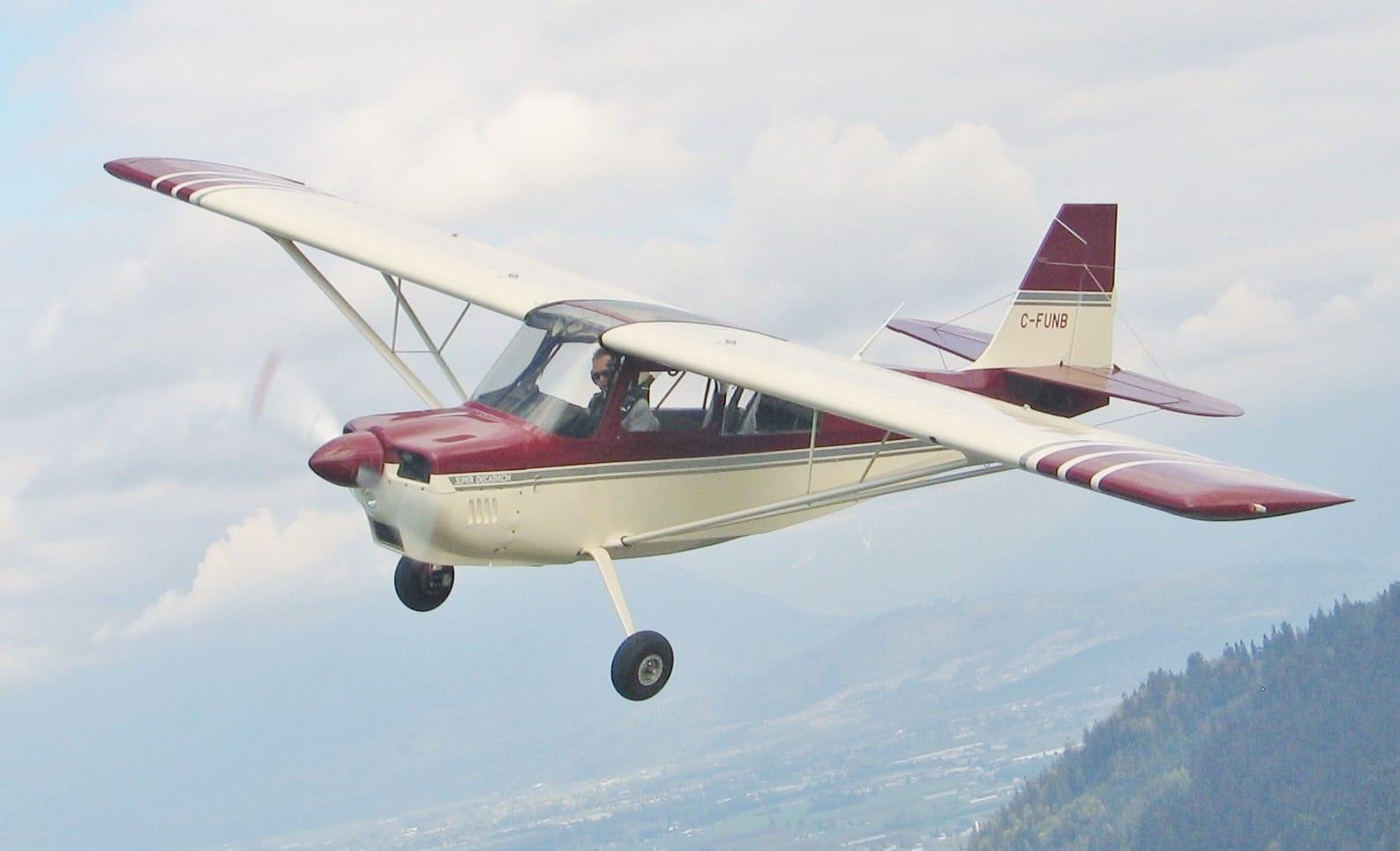
American Champion 8KCAB Super Decathlon
American Champion 8KCAB Super Decathlon specifications, V-speeds, useful load, performance context, and variant notes for the current production basis.
beechcraft
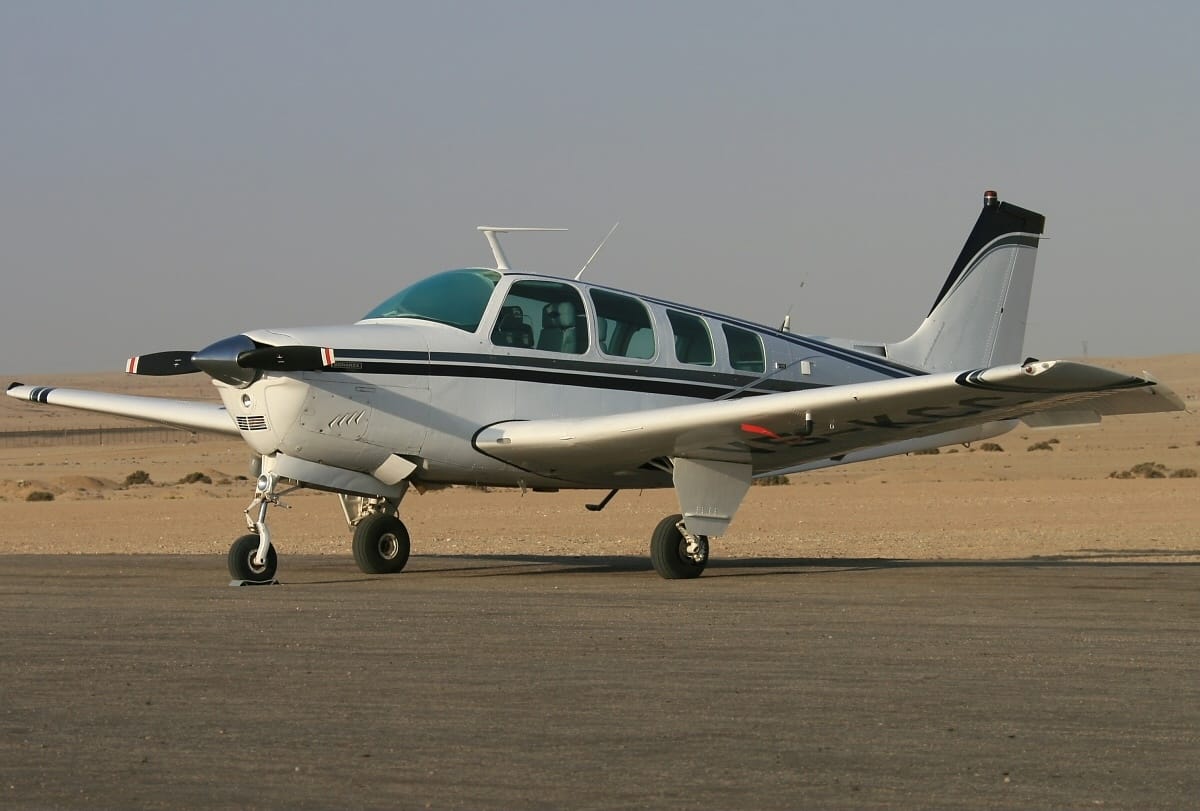
Beechcraft Bonanza A36
Beechcraft Bonanza A36 specifications, V-speeds, useful load, performance context, and variant notes for the IO-550-B model basis.
cessna
Cessna 150M
Cessna 150M specifications, V-speeds, useful load, performance context, and variant notes for the 1977 Commuter basis.
Flight planning
Flight planning tools
Fuel burn calculator
Estimate trip fuel and entered reserve fuel from planned duration and burn rate.
Open toolWeight and balance calculator
Calculate loaded weight, moment, and center of gravity from station loading data.
Open toolFuel endurance calculator
Estimate time aloft from usable fuel, burn rate, and a planned reserve.
Open toolDirectory resources
Directory
FBO directory at selected US airports
Sourced FBO listings at selected airports, with questions to confirm directly with each operator.
Directory
A&P and IA aircraft mechanic directory
How to compare aircraft mechanic and repair-station listings, confirm credentials, and evaluate maintenance services.