
Reference disclaimer
For training and reference purposes only. Figures describe the stated variant under standard conditions. Verify against the applicable POH/AFM and current aircraft records.
Overview
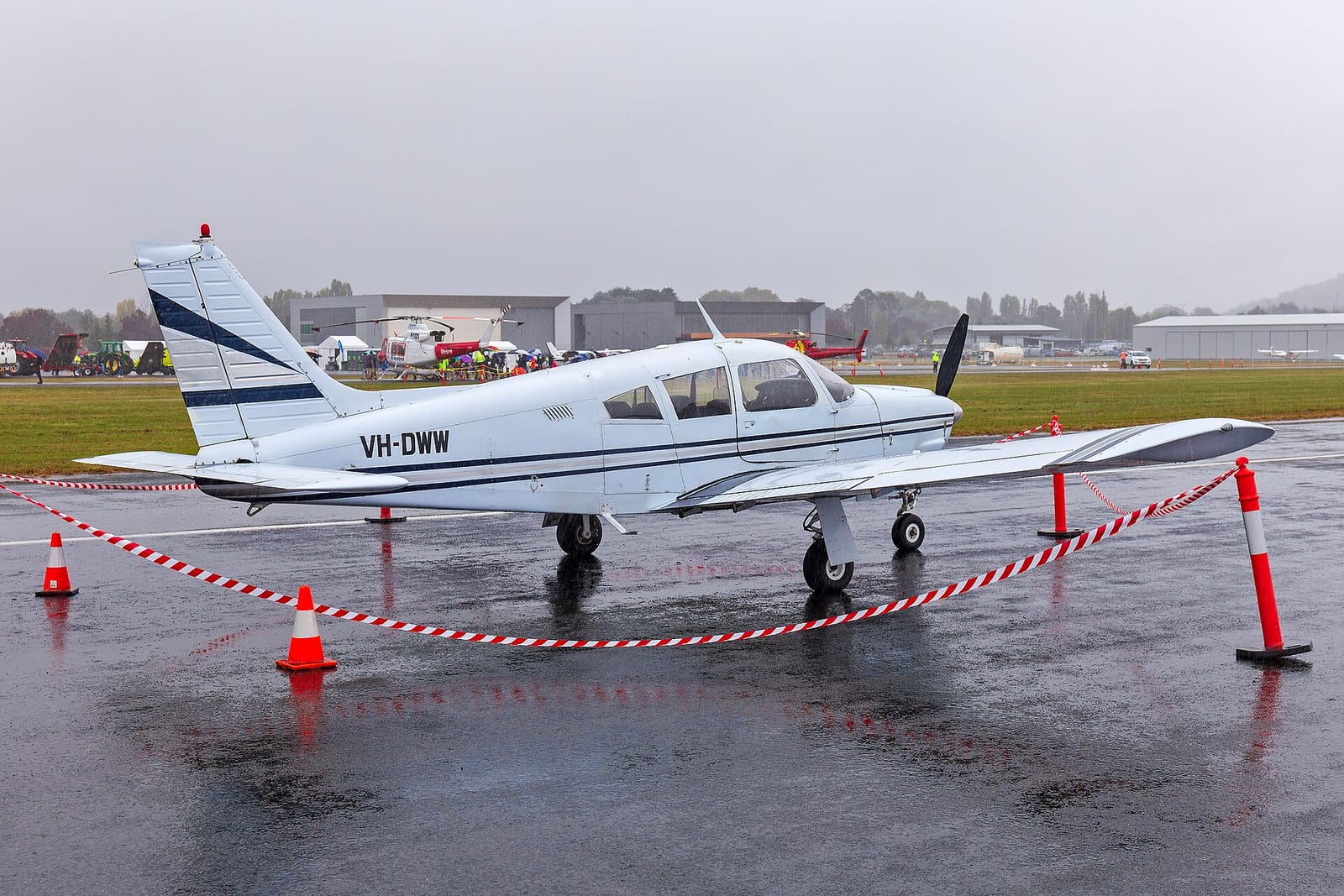
The Piper PA-28R-200 Arrow II is a four-seat, low-wing, retractable-gear single built on the Cherokee airframe family. The Arrow II configuration is defined here rather than treated as interchangeable with the earlier PA-28R-180 or the later tapered-wing Arrow III. Its 200 hp Lycoming IO-360-C1C installation, 2,650 lb maximum weight, and published speed schedule are specific to this model basis.
Two features separate the Arrow II from its fixed-gear siblings. The constant-speed propeller and the retractable gear add the systems management that makes the type a standard complex trainer, and the rounded Hershey-bar wing carries different stall behavior than the tapered wing that replaced it. The handbook schedule publishes speeds in miles per hour with knot conversion, so this page states both where the source does.
Video: Piper Arrow complex-aircraft conversion training flight, via YouTube.
Performance
The published cruise figure of about 143 kt at 75 percent power and the range figure of 642 nm are book values under the conditions used by the source. Altitude, leaning, temperature, wind, and airframe condition can move both figures materially.
The climb figures show what retracting the gear buys. VX 83 KIAS and VY 87 KIAS are the gear-up values in the schedule, and the published 900 fpm climb and 15,000 ft service ceiling assume those configurations. Gear position changes both the climb schedule and the legal speed limits, so the 130 KIAS gear extension limit and the lower 109 KIAS retraction limit matter on every departure and arrival. Use the density altitude calculator as a study aid, then compare the result with the current POH chart.
V-speeds
The Arrow II speed schedule includes VNE 186 KIAS, VNO 148 KIAS, and VA 114 KIAS at maximum weight. Flap operation is limited by VFE 109 KIAS, and the gear schedule adds VLE 130 KIAS with separate extension and retraction limits for the stated source basis.
These values are references to the named document, not substitutes for the placards and current POH in the airplane. The glossary pages for VX, VY, and VA explain the terms without changing the model-specific limits here.
Weight and balance
The published useful load of about 1,050 lb applies to the stated empty-weight basis, not to every Arrow II. Retractable-gear systems, avionics upgrades, and decades of repairs move the current empty weight and center of gravity.
The stated 50 gal fuel capacity and four-seat cabin create a realistic loading envelope, but baggage placement matters because the aft compartment sits behind the rear seats. Run the actual aircraft's empty weight, arm, fuel quantity, occupants, and baggage through a current weight and balance record. The weight and balance calculator is a reference aid, not an operational release.
Training notes
The Arrow II suits commercial and complex-transition syllabi where retractable gear and constant-speed propeller work are the point of the rating. Students learn gear discipline, manifold pressure and RPM management, and the emergency extension procedure on an airframe that behaves predictably when flown on its numbers. Schools should teach the serial-specific gear system and POH procedures rather than relying on generic complex-aircraft habits.
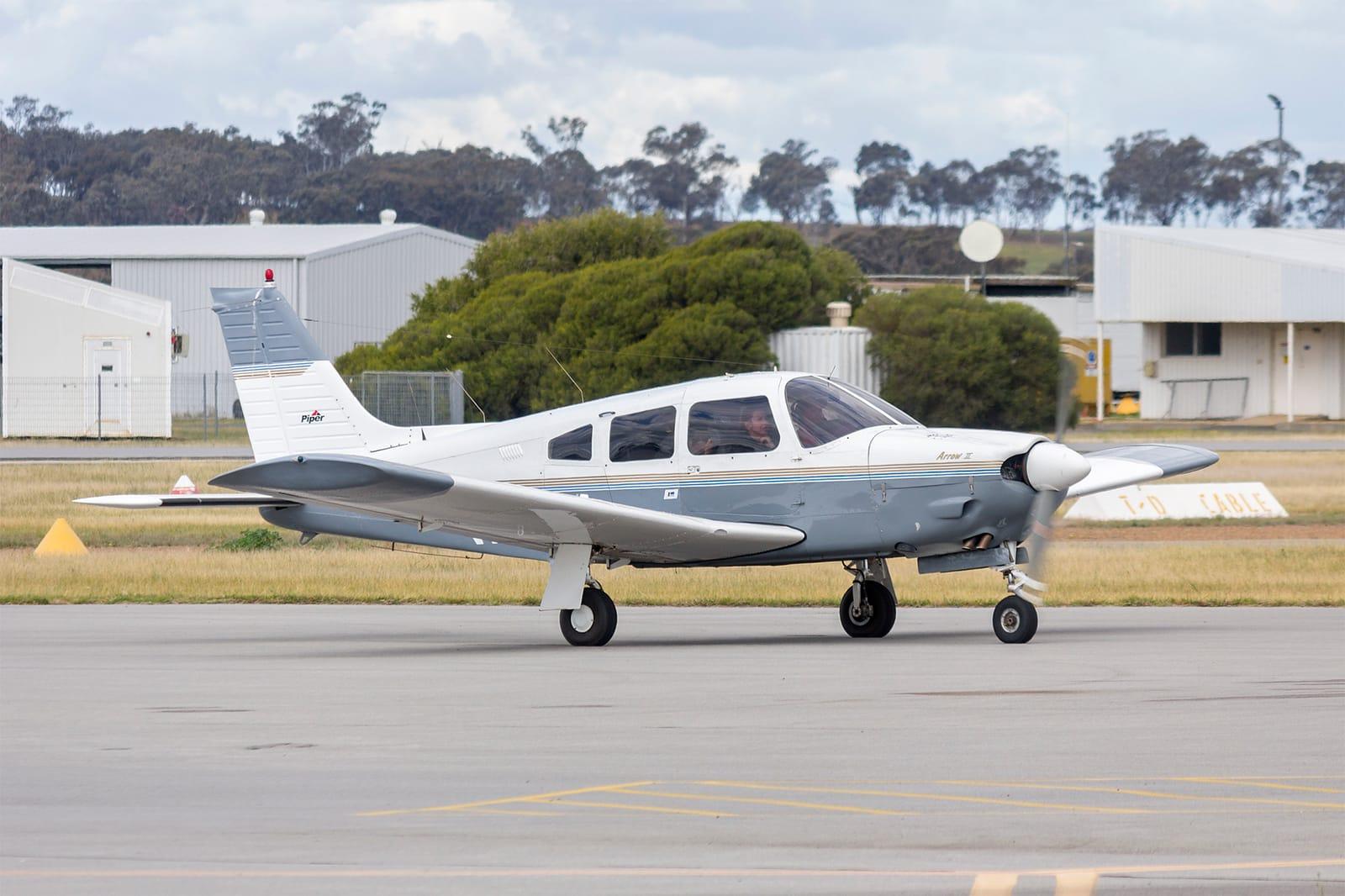
A Piper PA-28R-200 Arrow II with the gear down. Photo: Bidgee, CC BY-SA 3.0 au, via Wikimedia Commons.
Variants
The PA-28R name covers airframes that are meaningfully different. The original PA-28R-180 Arrow uses a lower-power installation and a different weight basis. The Arrow III and Turbo Arrow III introduce the tapered wing, a 2,750 lb gross weight, and updated systems, so their figures are not substitutes for the Arrow II values. A separate model file is appropriate when the POH basis and model-specific facts differ enough to answer a different search intent.
Sources
The structured values on this page are tied to the Piper PA-28R-200 Arrow II Pilot Operating Handbook on the 1973 basis, with model context from FAA Type Certificate Data Sheet 2A13. Confirm the applicable revision, serial range, and aircraft records before using any figure.
Related aircraft
american-champion
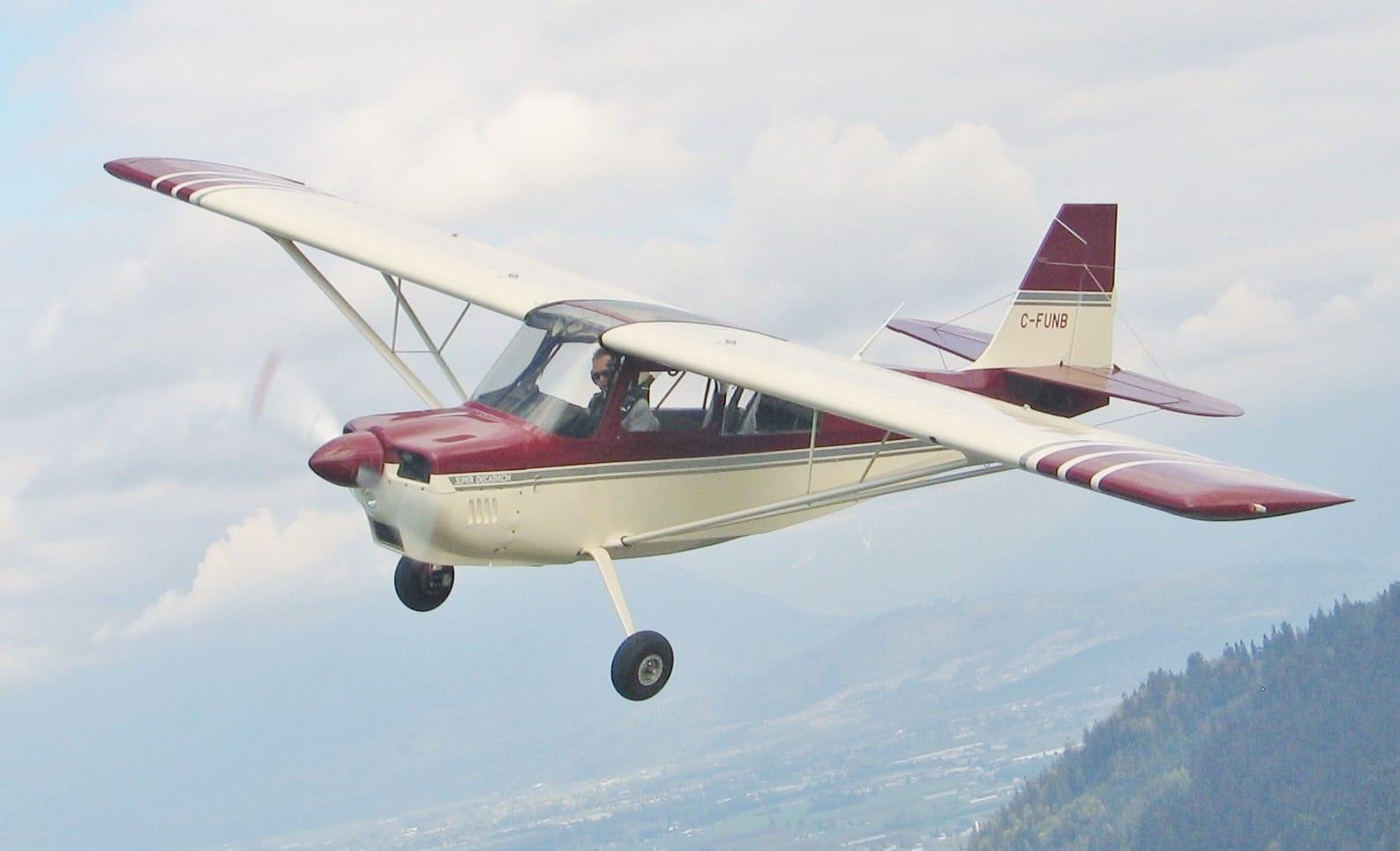
American Champion 8KCAB Super Decathlon
American Champion 8KCAB Super Decathlon specifications, V-speeds, useful load, performance context, and variant notes for the current production basis.

beechcraft
Beechcraft Bonanza A36
Beechcraft Bonanza A36 specifications, V-speeds, useful load, performance context, and variant notes for the IO-550-B model basis.

cessna
Cessna 150M
Cessna 150M specifications, V-speeds, useful load, performance context, and variant notes for the 1977 Commuter basis.
Flight planning
Flight planning tools
Fuel burn calculator
Estimate trip fuel and entered reserve fuel from planned duration and burn rate.
Open toolWeight and balance calculator
Calculate loaded weight, moment, and center of gravity from station loading data.
Open toolFuel endurance calculator
Estimate time aloft from usable fuel, burn rate, and a planned reserve.
Open toolDirectory resources
Directory
FBO directory at selected US airports
Sourced FBO listings at selected airports, with questions to confirm directly with each operator.
Directory
A&P and IA aircraft mechanic directory
How to compare aircraft mechanic and repair-station listings, confirm credentials, and evaluate maintenance services.