
Reference disclaimer
For training and reference purposes only. Figures describe the stated variant under standard conditions. Verify against the applicable POH/AFM and current aircraft records.
Overview
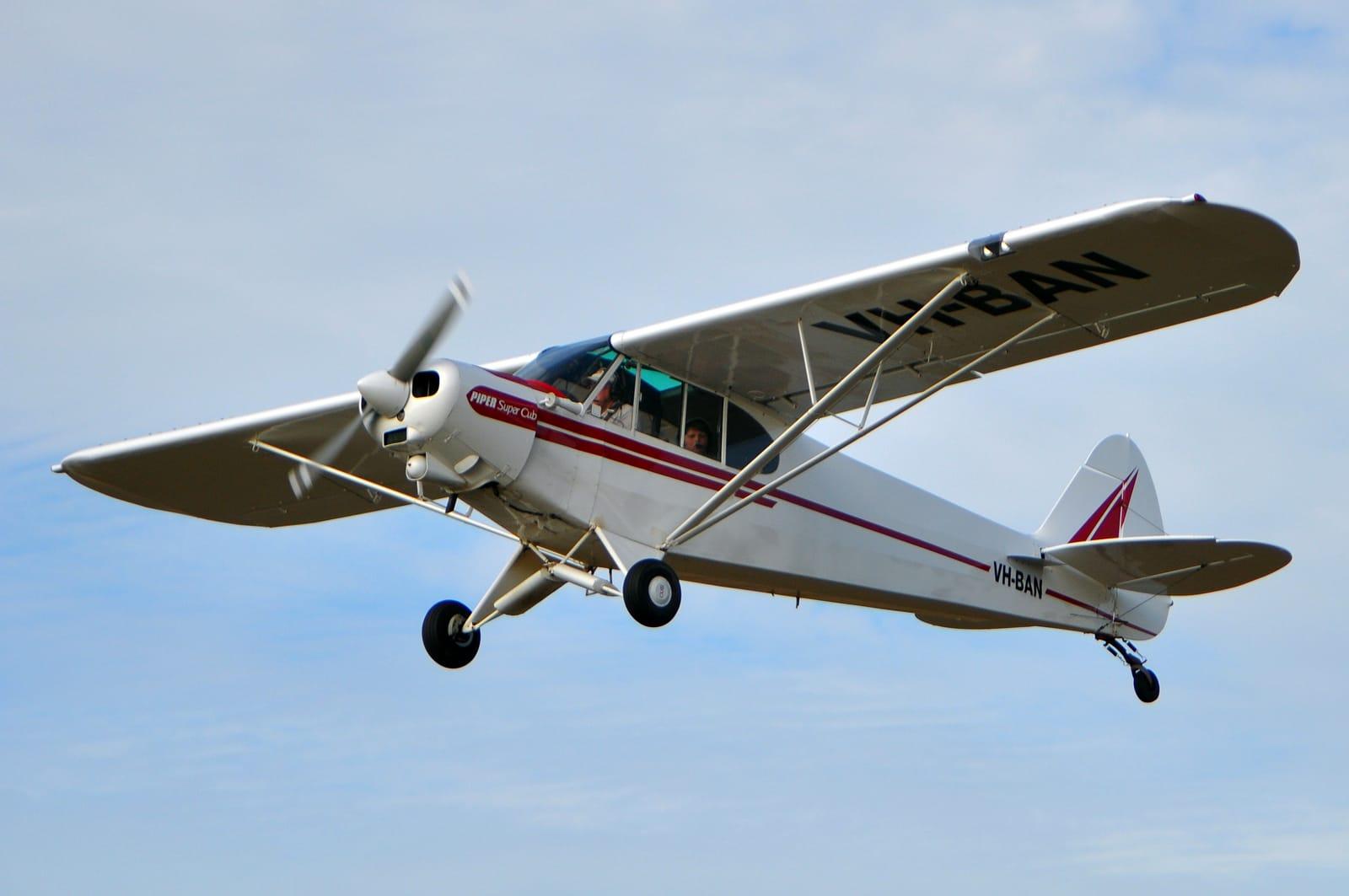
The Piper PA-18-150 Super Cub is a two-seat, tandem, conventional-gear monoplane that turned the J-3 Cub formula into a genuine utility machine. The 150 hp configuration is defined here rather than treated as interchangeable with the earlier 95 and 135 hp serials or the agricultural PA-18A. Its Lycoming O-320 installation, 1,750 lb maximum weight, and published speed schedule are specific to this model basis.
The type earned its reputation off pavement. Large wing area, full flaps, and the tailwheel layout give short-field performance that still anchors backcountry and glider-tow work, and the light airframe behind 150 hp delivers climb that heavier trainers cannot match at the same power.
Video: PA-18 Super Cub tailwheel training flight, via YouTube.
Performance
The published cruise figure of about 115 mph and the range figure of 400 nm are book values under the conditions used by the source. Propeller choice moves cruise materially on this airframe, since the standard installation favors climb and takeoff over speed.
The climb figures are the point of the type. VX 55 mph and VY 65 mph support a published climb near 960 fpm and a 19,000 ft service ceiling, while full flaps drag the landing-configuration stall down to about 40 mph. The mph-based schedule from the manual is kept in mph on this page rather than converted, because the handbook wording is authoritative. Use the density altitude calculator as a study aid, then compare the result with the current POH chart.
V-speeds
The Super Cub speed schedule includes VNE 138 mph, VNO 110 mph, and VA 97 mph at maximum weight. Flap operation is limited by VFE 80 mph for the stated source basis. Maneuvering speed changes with weight, so the maximum weight value should not be carried unchanged into a lighter loading condition.
These values are references to the named document, not substitutes for the placards and current POH in the airplane. The glossary pages for VX, VY, and VA explain the terms without changing the model-specific limits here.
Weight and balance
The published useful load of about 800 lb applies to the stated empty-weight basis, not to every Super Cub. Floats, skis, oversized tires, radios, and decades of field repairs move the current empty weight and center of gravity, and many airframes fly far from their factory configuration.
The tandem layout concentrates loading near the center of gravity, but a heavy rear-seat occupant, baggage, and the stated 36 gal fuel capacity still need an honest schedule. Run the actual aircraft's empty weight, arm, fuel quantity, occupants, and baggage through a current weight and balance record. The weight and balance calculator is a reference aid, not an operational release.
Training notes
The Super Cub suits tailwheel and backcountry syllabi where students need to learn genuine stick-and-rudder work. The narrow gear, tandem seating, and responsive controls demand active feet on every takeoff and landing, and the forgiving low-speed handling rewards energy management once it is learned. Schools should teach the serial-specific procedures and the aircraft's actual equipment, since no two Super Cubs wear identical configurations.
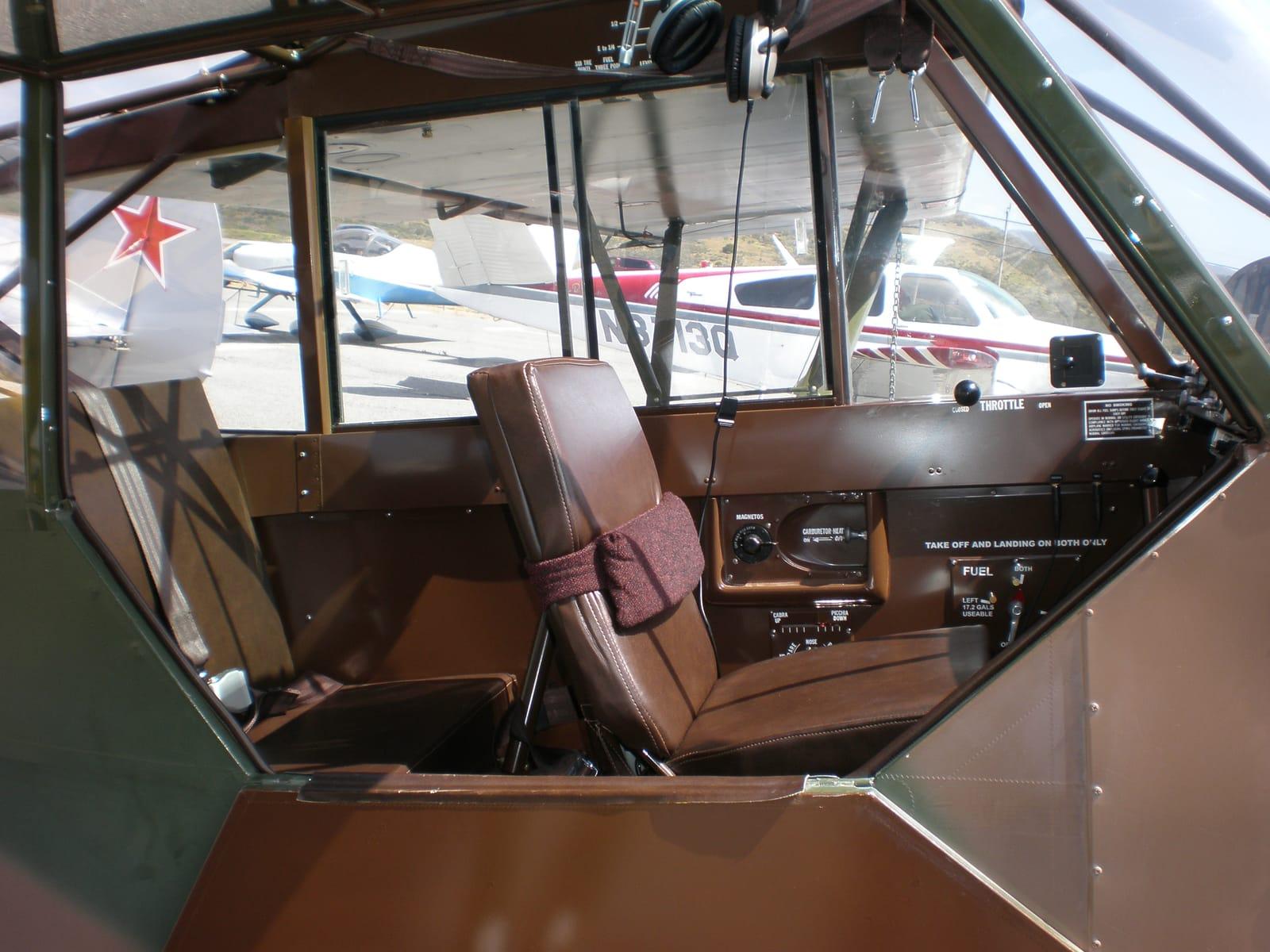
The cockpit of a Piper L-21B, the military PA-18 variant, showing the same basic Super Cub panel layout. Photo: BrokenSphere, CC BY 3.0, via Wikimedia Commons.
Variants
The PA-18 designation covers serials with different engines and duties. The PA-18-95 and PA-18-135 carry lower-power installations with different figures, the PA-18A adds agricultural equipment, and many airframes have been re-engined under supplemental type certificates. Figures from any sibling are not substitutes for the 150 hp values. A separate model file is appropriate when the POH basis and model-specific facts differ enough to answer a different search intent.
Sources
The structured values on this page are tied to the Piper PA-18 Super Cub 150 Pilot Operating Handbook, with model context from FAA Type Certificate Data Sheet 1A2. Confirm the applicable revision, serial range, and aircraft records before using any figure.
Related aircraft
american-champion
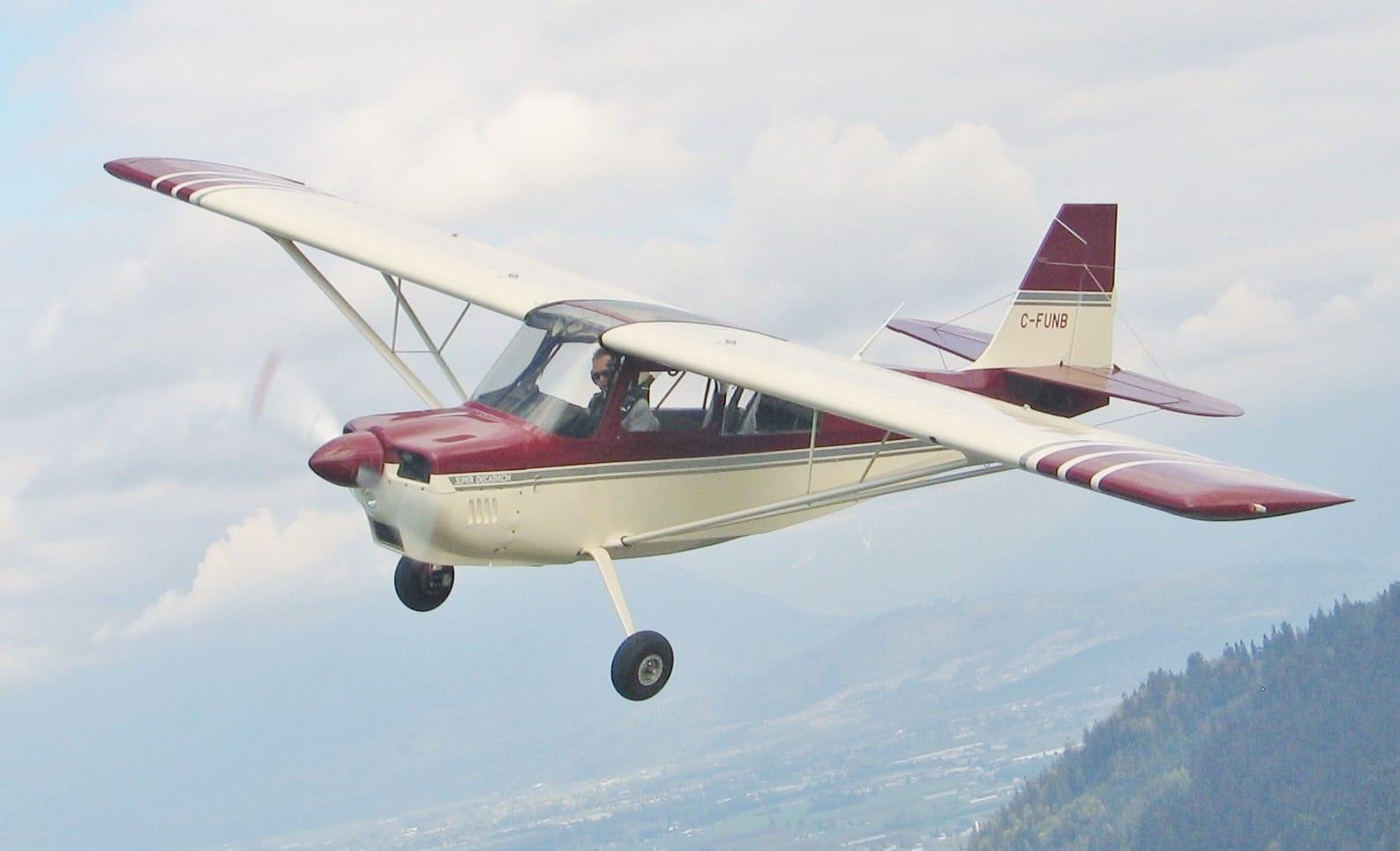
American Champion 8KCAB Super Decathlon
American Champion 8KCAB Super Decathlon specifications, V-speeds, useful load, performance context, and variant notes for the current production basis.
beechcraft
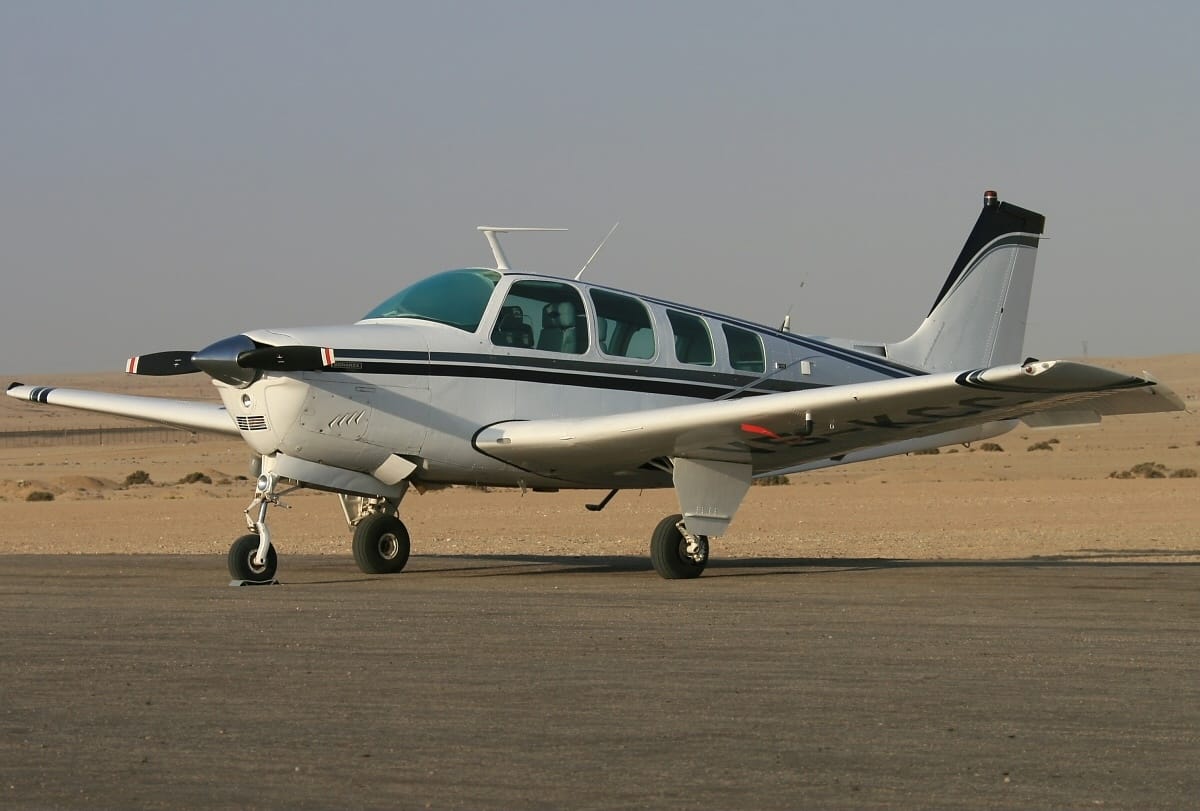
Beechcraft Bonanza A36
Beechcraft Bonanza A36 specifications, V-speeds, useful load, performance context, and variant notes for the IO-550-B model basis.
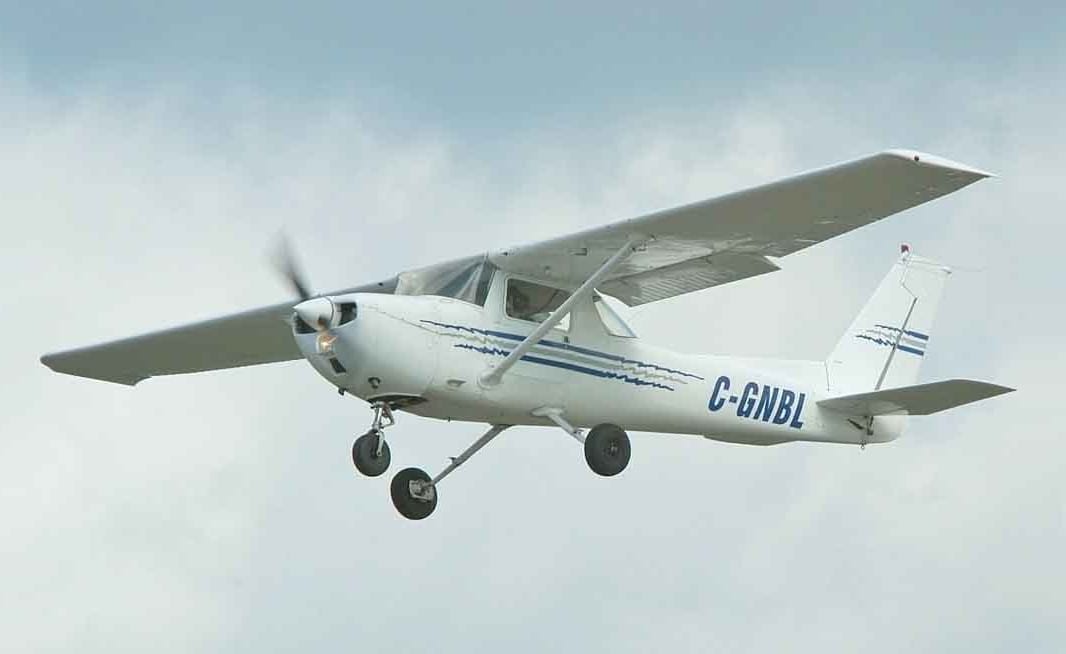
cessna
Cessna 150M
Cessna 150M specifications, V-speeds, useful load, performance context, and variant notes for the 1977 Commuter basis.
Flight planning
Flight planning tools
Fuel burn calculator
Estimate trip fuel and entered reserve fuel from planned duration and burn rate.
Open toolWeight and balance calculator
Calculate loaded weight, moment, and center of gravity from station loading data.
Open toolFuel endurance calculator
Estimate time aloft from usable fuel, burn rate, and a planned reserve.
Open toolDirectory resources
Directory
FBO directory at selected US airports
Sourced FBO listings at selected airports, with questions to confirm directly with each operator.
Directory
A&P and IA aircraft mechanic directory
How to compare aircraft mechanic and repair-station listings, confirm credentials, and evaluate maintenance services.