
Reference disclaimer
For training and reference purposes only. Figures describe the stated variant under standard conditions. Verify against the applicable POH/AFM and current aircraft records.
Overview
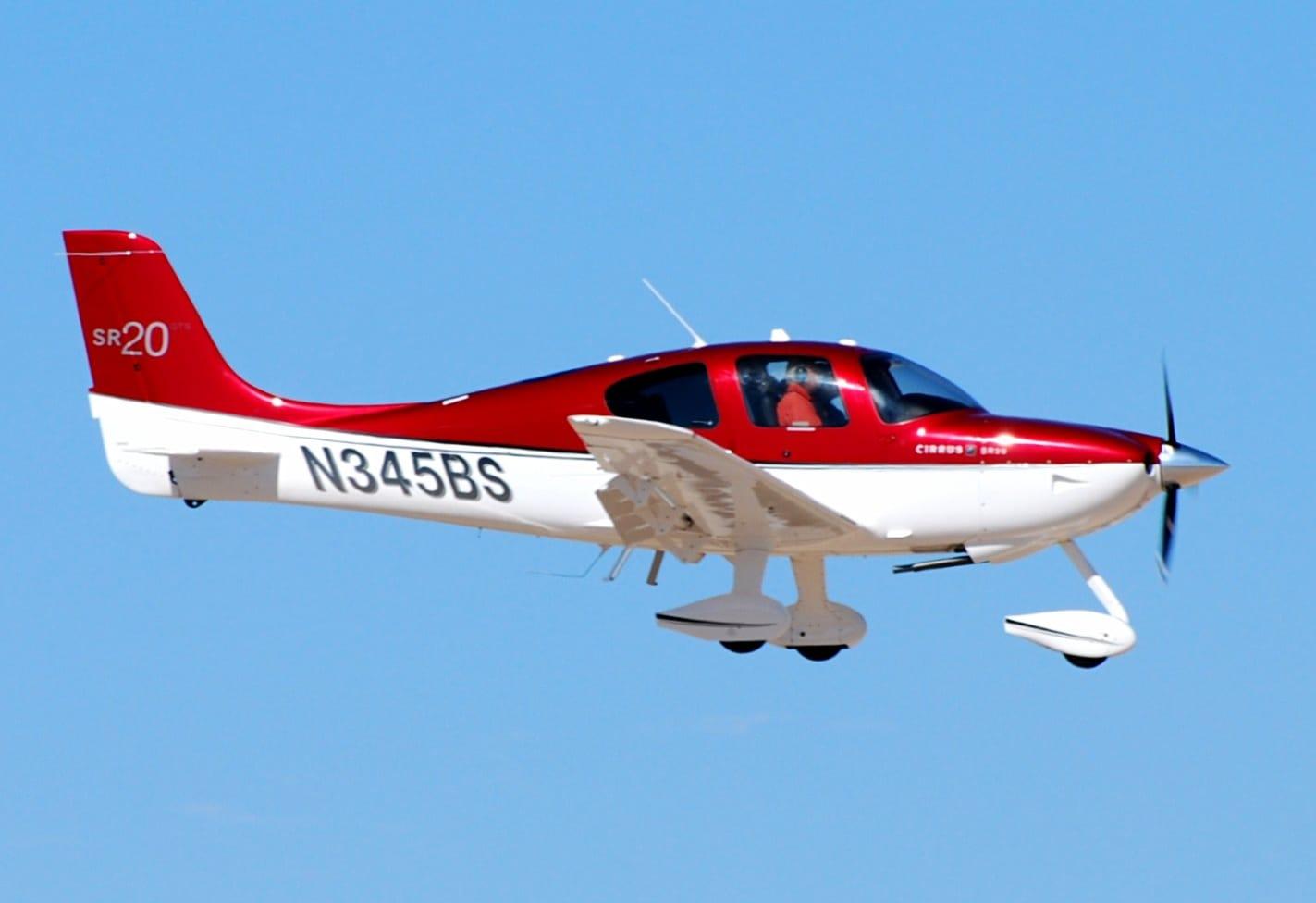
The Cirrus SR20 is a composite, fixed-gear, four to five seat single built around a side-stick control layout and an integrated glass cockpit. The G6 and later configuration is defined here rather than treated as interchangeable with early serials. Its 215 hp Lycoming IO-390-C3B6 installation, 3,150 lb maximum weight, and published speed schedule are specific to this model basis.
Two features separate the SR20 from conventional trainers. The Cirrus Airframe Parachute System gives the airframe a published maximum demonstrated deployment speed, VPD 133 KIAS, that sits in the limitations section alongside the aerodynamic speeds. The fixed gear also reflects a design choice: the type accepts a small speed penalty for the simplicity of no gear system to manage.
Video: Cirrus SR20 G6 demonstration flight, via YouTube.
Performance
The published cruise figure of about 155 kt and the range figure of 709 nm are book values under the conditions and power setting used by the source. Leaning technique, altitude, temperature, wind, and the condition of the airframe and engine can move the result materially.
The climb schedule reflects the higher wing loading of a composite airframe. VX 81 KIAS and VY 96 KIAS sit well above the speeds a 172 pilot is used to, and the 100 KIAS best glide speed matters in the emergency procedures that reference CAPS and a power-off landing. Use the density altitude calculator as a study aid, then compare the result with the current AFM chart.
V-speeds
The SR20 speed schedule includes VNE 201 KIAS, VNO 164 KIAS, and VO 133 KIAS at maximum weight. The AFM uses the operating maneuvering speed term rather than the older VA label. Flap limits are split: 150 KIAS at 50 percent and 110 KIAS at 100 percent for the stated source basis.
These values are references to the named document, not substitutes for the placards and current AFM in the airplane. The glossary pages for VX, VY, and VA explain the terms without changing the model-specific limits here.
Weight and balance
The published useful load of about 1,028 lb applies to the stated empty-weight basis, not to every SR20. Avionics options, air conditioning, and the current equipment list change empty weight and center of gravity.
The stated 56 gal usable fuel capacity feeds two wing tanks that must be alternated in flight, so fuel management and balance are linked rather than separate problems. Full fuel uses a substantial share of the payload, and seating for five arrives only with the later gross-weight basis. Run the actual aircraft's empty weight, arm, fuel quantity, occupants, and baggage through a current weight and balance record. The weight and balance calculator is a reference aid, not an operational release.
Training notes
The SR20 suits transition syllabi aimed at technically advanced aircraft rather than ab initio economy. Students new to the type work on side-stick feel, perspective avionics workflows, and the CAPS decision framework, none of which transfer directly from conventional yoke trainers. Schools should teach the serial-specific AFM procedures, including the parachute system's limitations, rather than relying on general Cirrus familiarity.
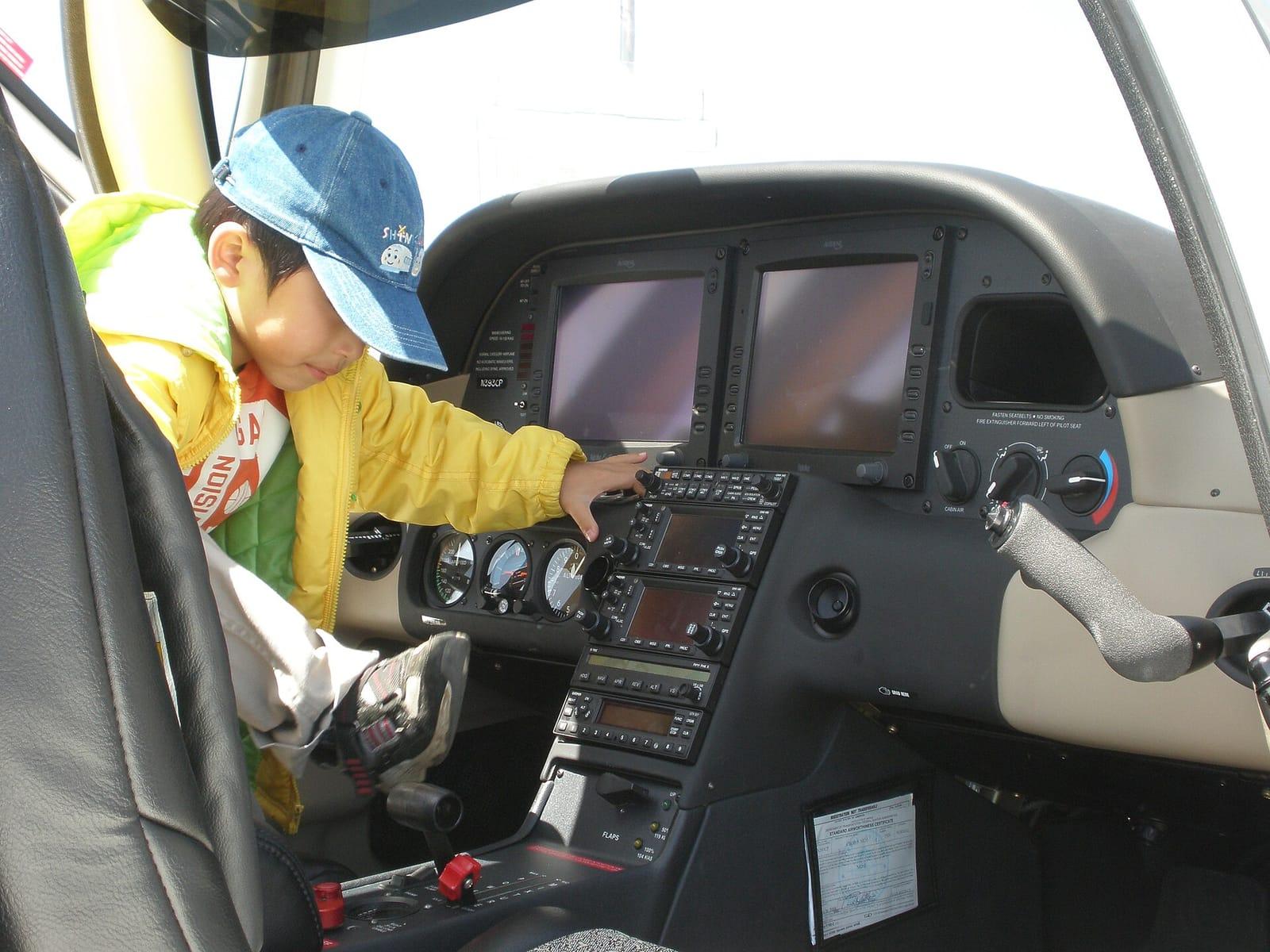
The Cirrus SR20 cockpit and instrument panel. Photo: BrokenSphere, CC BY-SA 3.0, via Wikimedia Commons.
Variants
The SR20 name covers distinct gross-weight and seating bases across generations. Earlier serials carry a lower maximum weight and a four-seat cabin, and their figures should not be silently substituted for the G6 and G7 values. The SR22 shares the airframe concept but uses a 310 hp installation with its own documentation. A separate model file is appropriate when the AFM basis and model-specific facts differ enough to answer a different search intent.
Sources
The structured values on this page are tied to the Cirrus SR20 Airplane Flight Manual on the G6 and G7 basis, with model context from FAA Type Certificate Data Sheet A00009CH. Confirm the applicable revision, serial range, and aircraft records before using any figure.
Related aircraft
american-champion
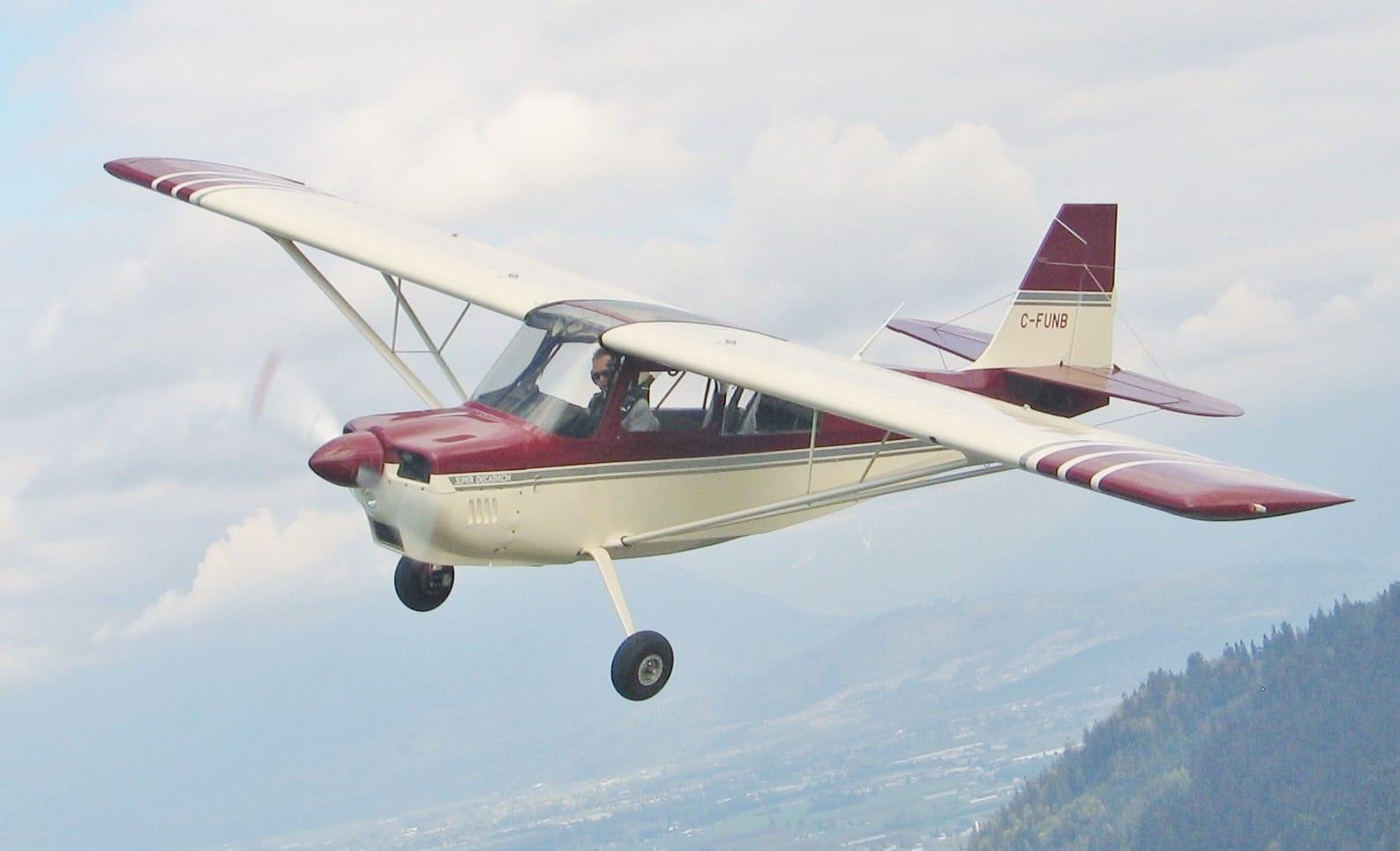
American Champion 8KCAB Super Decathlon
American Champion 8KCAB Super Decathlon specifications, V-speeds, useful load, performance context, and variant notes for the current production basis.
beechcraft
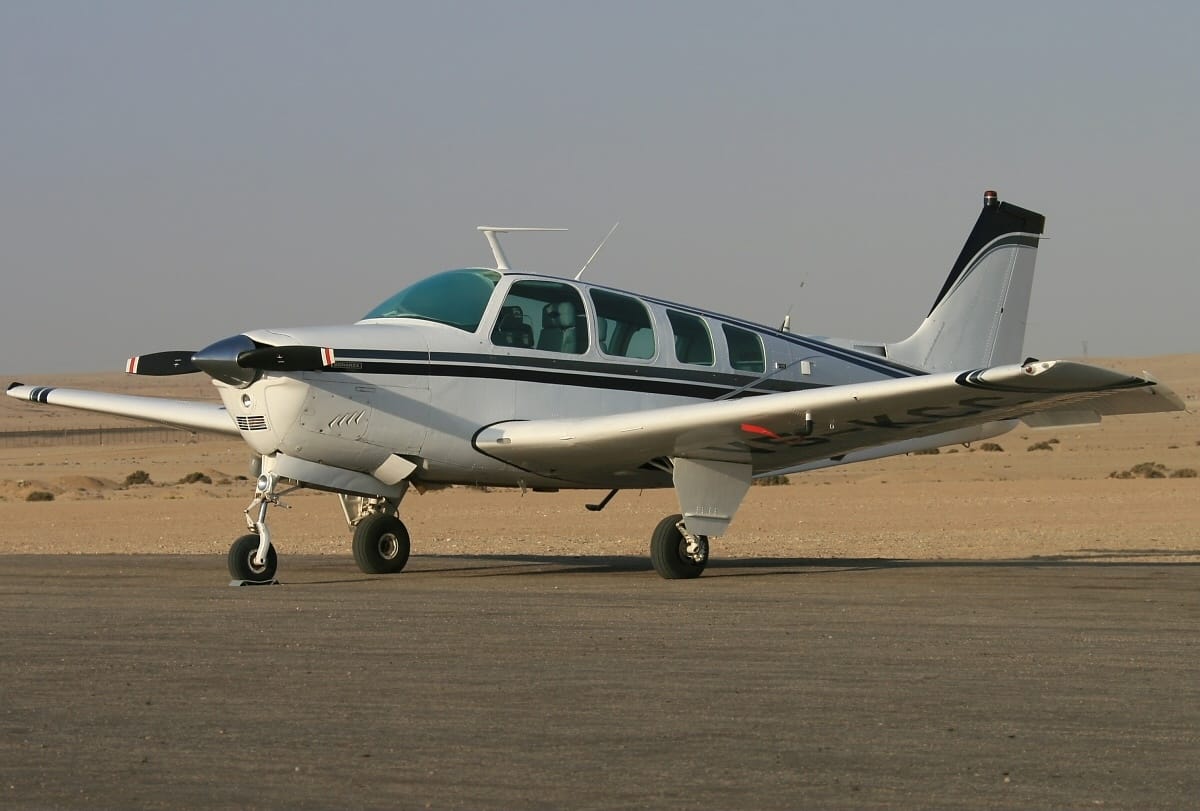
Beechcraft Bonanza A36
Beechcraft Bonanza A36 specifications, V-speeds, useful load, performance context, and variant notes for the IO-550-B model basis.
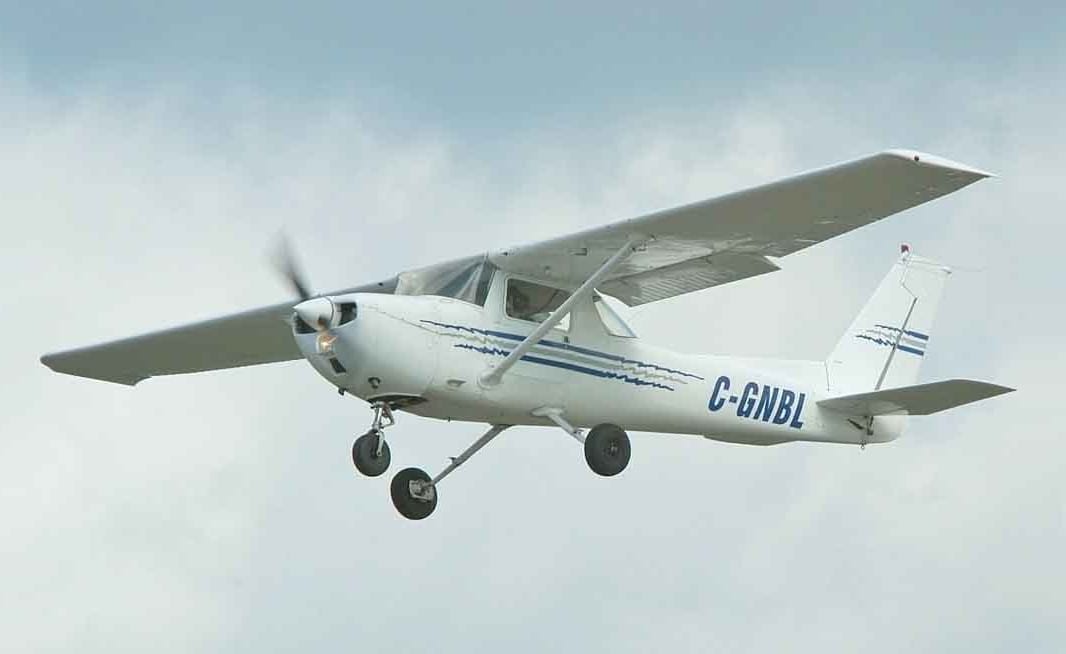
cessna
Cessna 150M
Cessna 150M specifications, V-speeds, useful load, performance context, and variant notes for the 1977 Commuter basis.
Flight planning
Flight planning tools
Fuel burn calculator
Estimate trip fuel and entered reserve fuel from planned duration and burn rate.
Open toolWeight and balance calculator
Calculate loaded weight, moment, and center of gravity from station loading data.
Open toolFuel endurance calculator
Estimate time aloft from usable fuel, burn rate, and a planned reserve.
Open toolDirectory resources
Directory
FBO directory at selected US airports
Sourced FBO listings at selected airports, with questions to confirm directly with each operator.
Directory
A&P and IA aircraft mechanic directory
How to compare aircraft mechanic and repair-station listings, confirm credentials, and evaluate maintenance services.