

Reference disclaimer
For training and reference purposes only. Figures describe the stated variant under standard conditions. Verify against the applicable POH/AFM and current aircraft records.
Overview
The Cessna 172P ran from 1981 to 1986 and was the last Skyhawk built before Cessna paused piston single production. That timing matters for training fleets: a very large share of the 172s still earning hours in US schools are P models. The 172P pairs the Lycoming O-320-D2J, the engine that replaced the troubled O-320-H2AD, with a 2,400 lb normal-category gross weight, 100 lb above the 172N.
This record uses the 1981 model basis. Standard tanks hold 43 gal total with 40 gal usable; optional long-range tanks raise capacity to 54 gal and later integral tanks to 68 gal, each with its own usable quantity and loading schedule.
Video: Cessna 172P circuit flight, via YouTube.
Performance
The book cruise figure of 120 kt applies at 75 percent power at 8,000 ft, with a 700 fpm sea-level climb rate and a 13,000 ft service ceiling. Published range is 440 nm at 75 percent power on 40 gal usable, rising to 520 nm at maximum-range settings at 10,000 ft. The climb and ceiling numbers assume a correctly rigged airframe and a healthy engine; a tired high-time rental can sit well below them.
Published field lengths are an 890 ft takeoff roll and a 540 ft landing roll at sea level on a standard day. Because many 172Ps have been converted to 180 hp under STCs, performance varies more within the model than the model name suggests. A converted airplane follows its supplemental flight manual, not this schedule. For unmodified airframes, the density altitude calculator and true airspeed calculator are useful study aids alongside the POH charts.
V-speeds
The 172P limitation schedule lists VNE 158 KIAS, VNO 127 KIAS, and VFE 85 KIAS with flap travel to 40 degrees. Maneuvering speed is VA 99 KIAS at 2,400 lb and drops with weight, so the gross-weight value should not be applied to a lightly loaded airframe.
Climb references are VX 59 KIAS and VY 76 KIAS at sea level. Published stall speeds are calibrated values: VS1 51 KCAS flaps up and VSO 46 KCAS in the landing configuration, so indicated readings will differ. The VX, VY, and VA glossary entries define each term.
Weight and balance
A standard-equipment 172P carries a 993 lb useful load, the highest figure in the pre-1986 Skyhawk line. Full standard fuel of 40 gal usable weighs about 240 lb, leaving roughly 750 lb for people and baggage, enough for four modest adults but not four heavy ones with luggage.
The utility category limits approved maneuvers to a lower weight. Actual empty weights creep upward with avionics, STC conversions, and repairs, so the current weight and balance record, not the book figure, governs any given airplane. The weight and balance calculator is a reference aid for that math.
Training notes
The 172P is the archetypal rental Skyhawk: high wing, fixed gear, forgiving flap schedule, and a 40 degree flap setting that makes short-field work visibly steeper than in the 30 degree 172S. Students transitioning between a 172P and a newer 172 should expect different stall warnings, different flap limits, and a different engine installation under the cowl. School procedures follow the assigned serial number's POH and supplements.
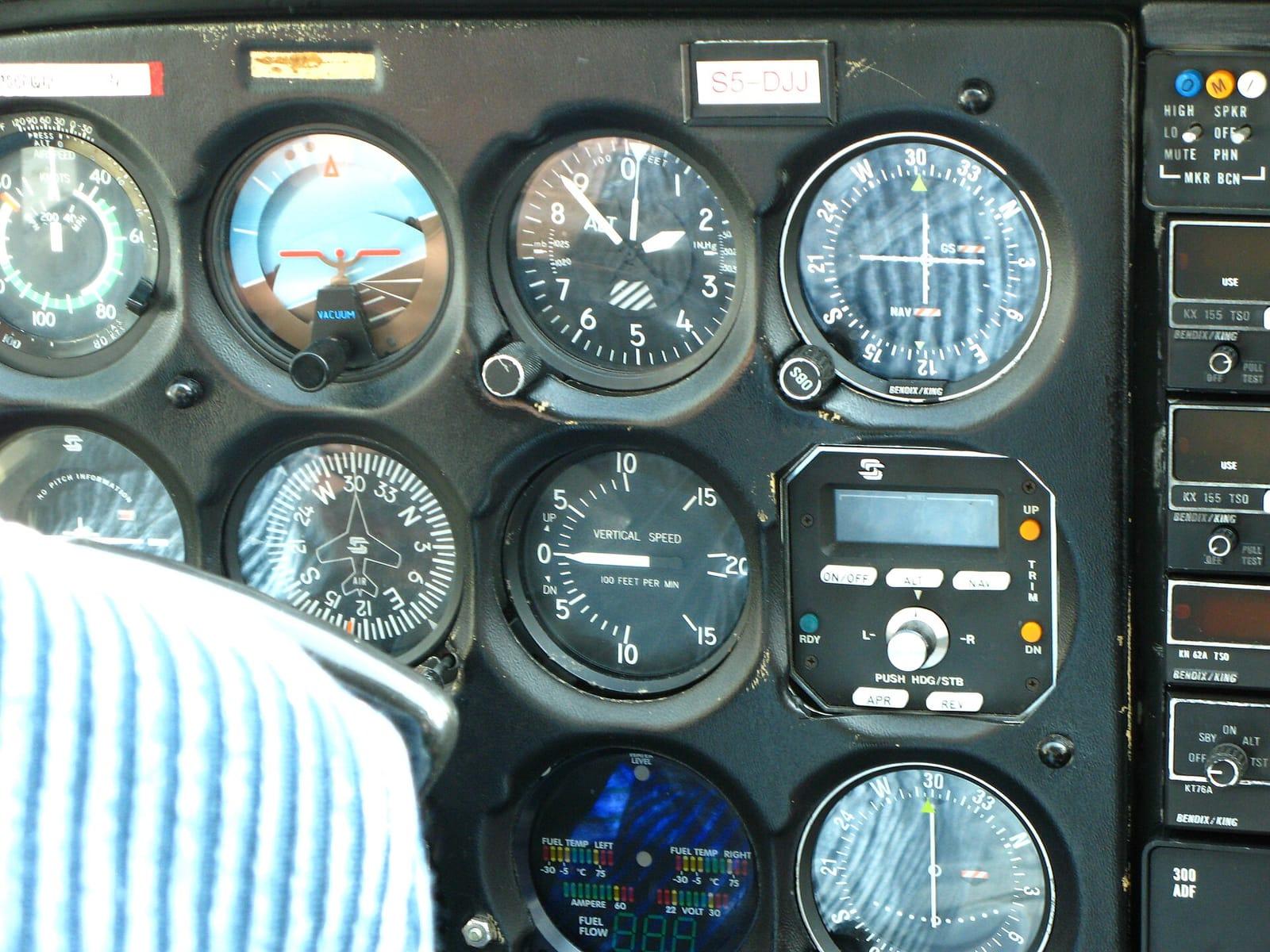
A Cessna 172 cockpit and instrument panel, representative of the 172P layout. Photo: PetarM, CC BY-SA 3.0, via Wikimedia Commons.
Variants
The 172N before it shares the airframe but not the engine or the weights. The 172Q Cutlass carried 180 hp, and the later Cessna 172S restarted the line with fuel injection. Treat each letter model as a separate document set.
Sources
Structured values come from the Cessna 172P Skyhawk Pilot's Operating Handbook on the 1981 model basis, with model context from FAA Type Certificate Data Sheet 3A12. Confirm the applicable revision, serial range, and aircraft records before using any figure.
Related aircraft
american-champion
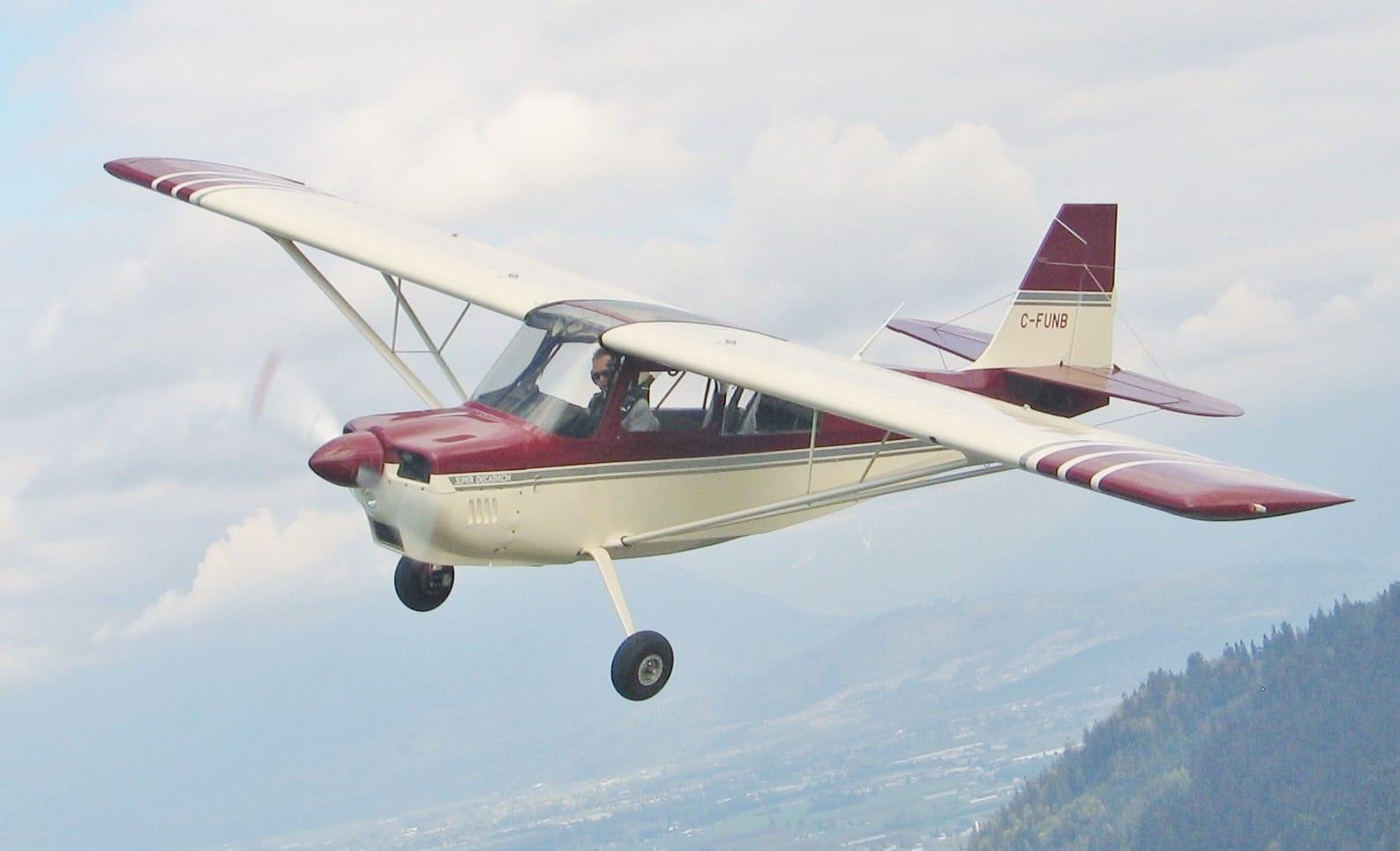
American Champion 8KCAB Super Decathlon
American Champion 8KCAB Super Decathlon specifications, V-speeds, useful load, performance context, and variant notes for the current production basis.

beechcraft
Beechcraft Bonanza A36
Beechcraft Bonanza A36 specifications, V-speeds, useful load, performance context, and variant notes for the IO-550-B model basis.

cessna
Cessna 150M
Cessna 150M specifications, V-speeds, useful load, performance context, and variant notes for the 1977 Commuter basis.
Flight planning
Flight planning tools
Fuel burn calculator
Estimate trip fuel and entered reserve fuel from planned duration and burn rate.
Open toolWeight and balance calculator
Calculate loaded weight, moment, and center of gravity from station loading data.
Open toolFuel endurance calculator
Estimate time aloft from usable fuel, burn rate, and a planned reserve.
Open toolDirectory resources
Directory
FBO directory at selected US airports
Sourced FBO listings at selected airports, with questions to confirm directly with each operator.
Directory
A&P and IA aircraft mechanic directory
How to compare aircraft mechanic and repair-station listings, confirm credentials, and evaluate maintenance services.